What's New
2026 Hickel & Egan Awards Gala: Recap and Transcript
What a night!
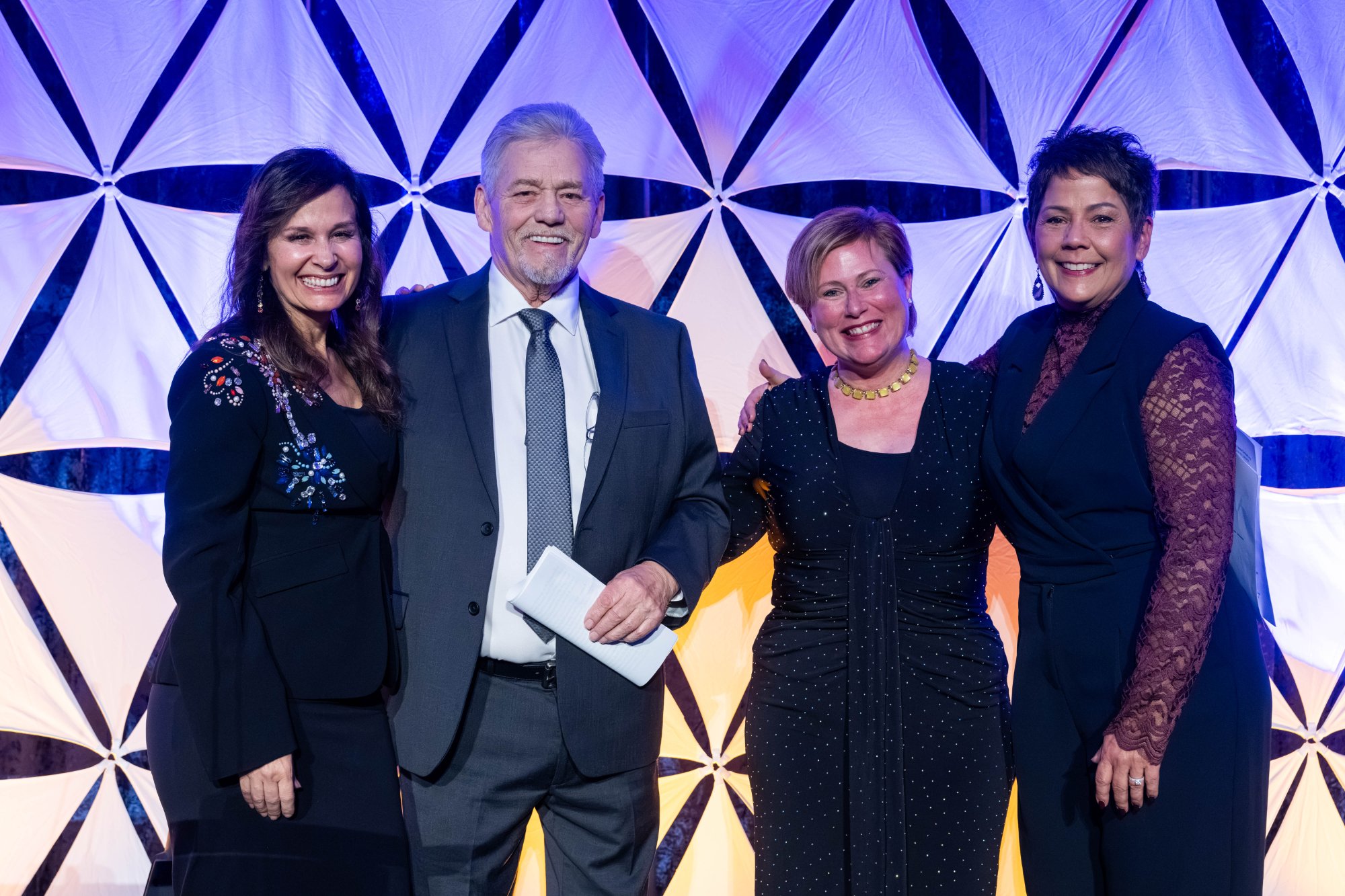
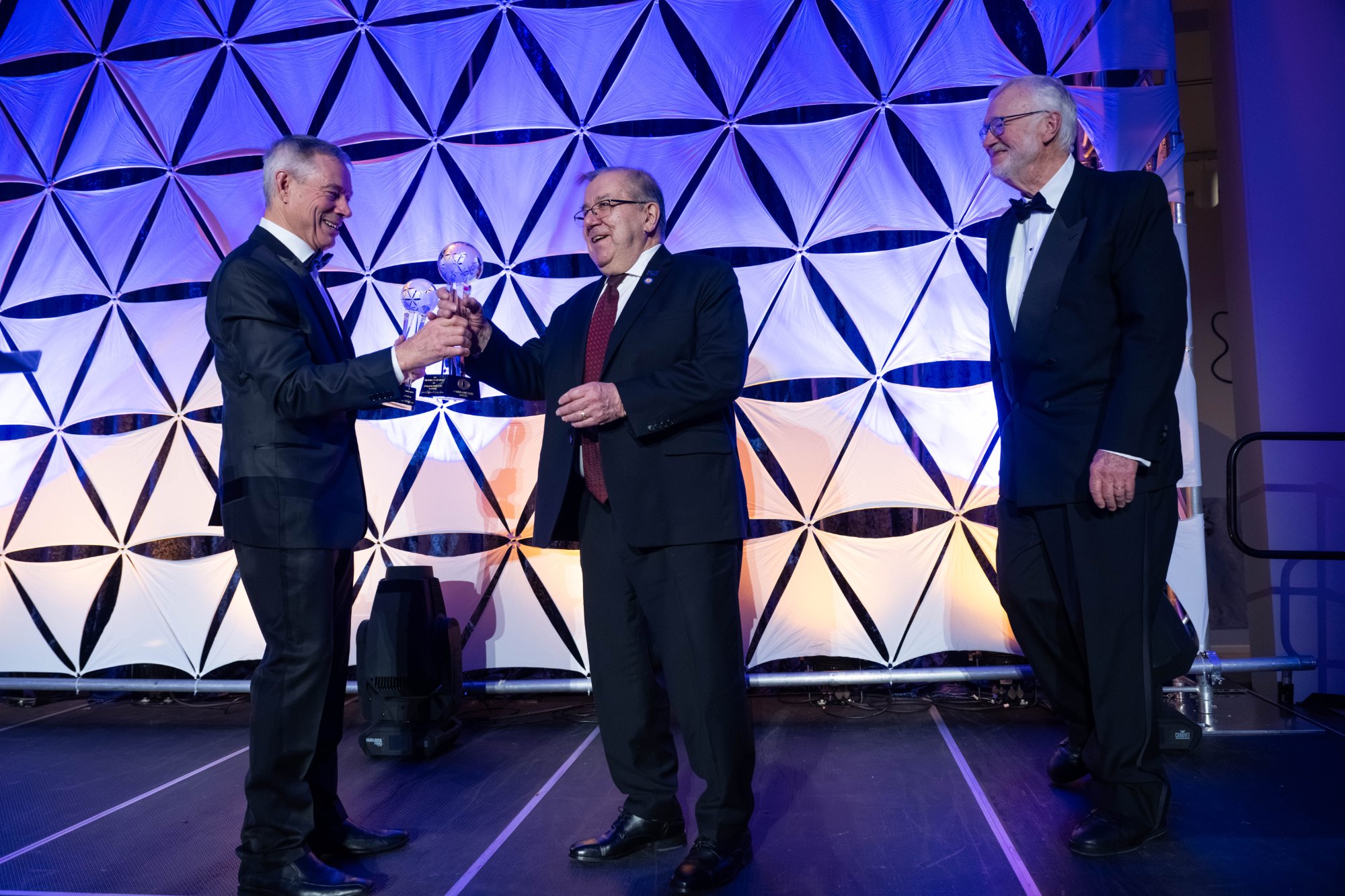
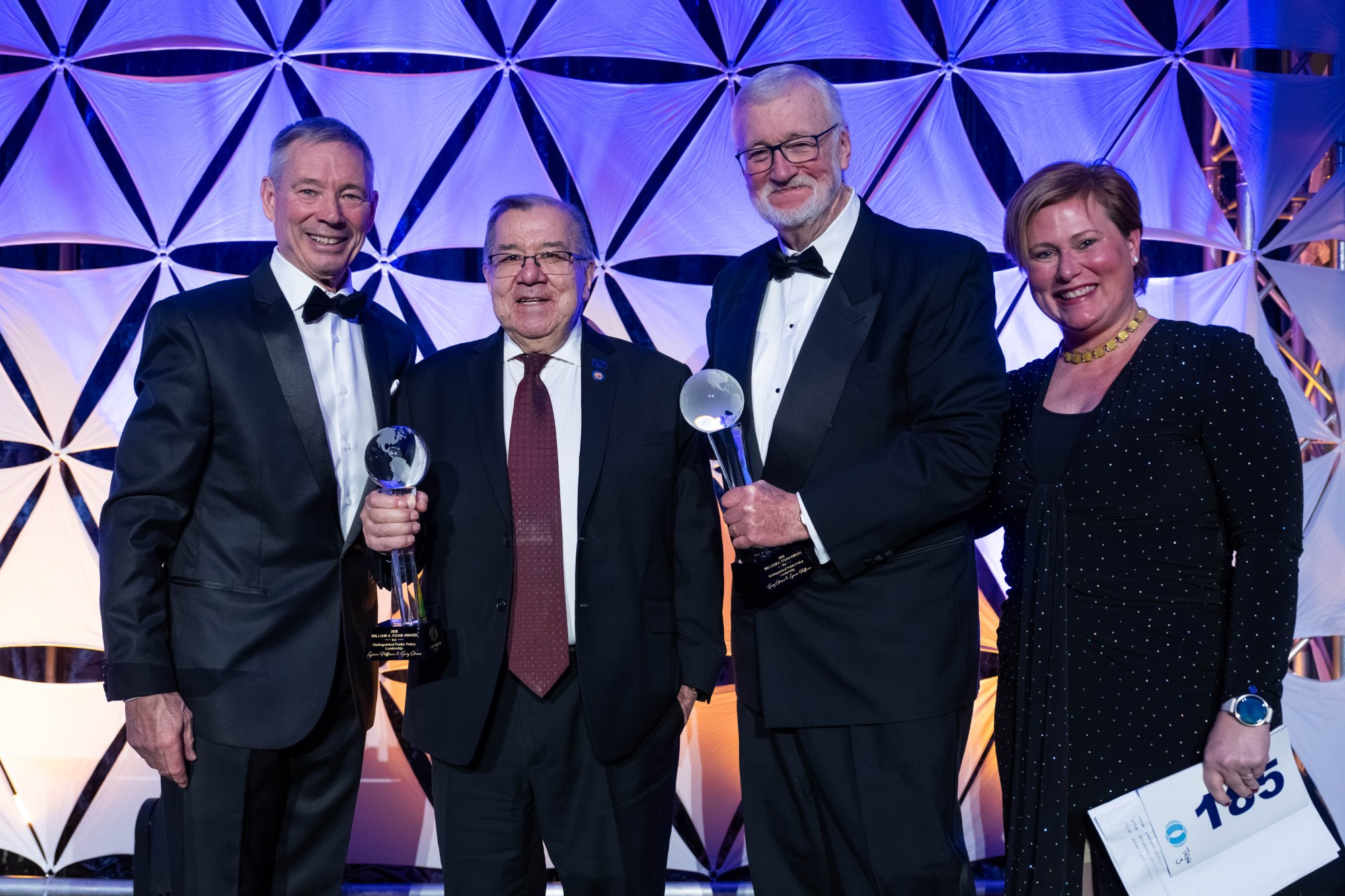
Last Thursday, we honored three distinguished Alaskans: Carl Marrs, Senator Lyman Hoffman, and Senate President Gary Stevens. Each shared the moments and the people that made them who they are. Gary did so with a few rib ticklers thrown in.
We don’t put on the gala for the money.
Believe it or not, galas are expensive and we sell seats at a loss. Every year we debate whether to do it again. But the spirit and community created in that room has us saying, unequivocally, yes.
Let’s do it bigger next time.
Where else are you going to see a wide swath of sitting legislators, business and community leaders, and engaged Alaskans in one room sharing a moment?
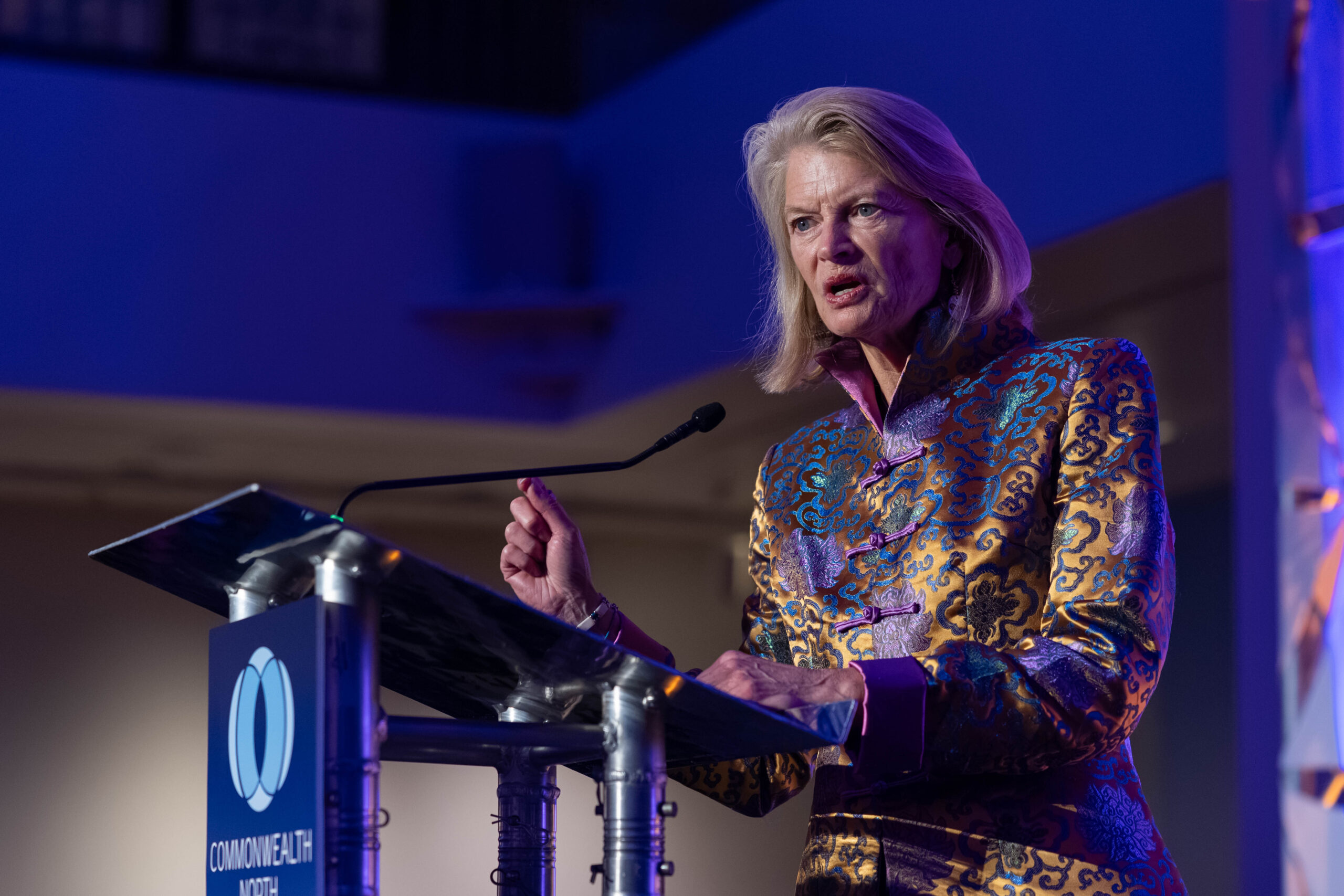
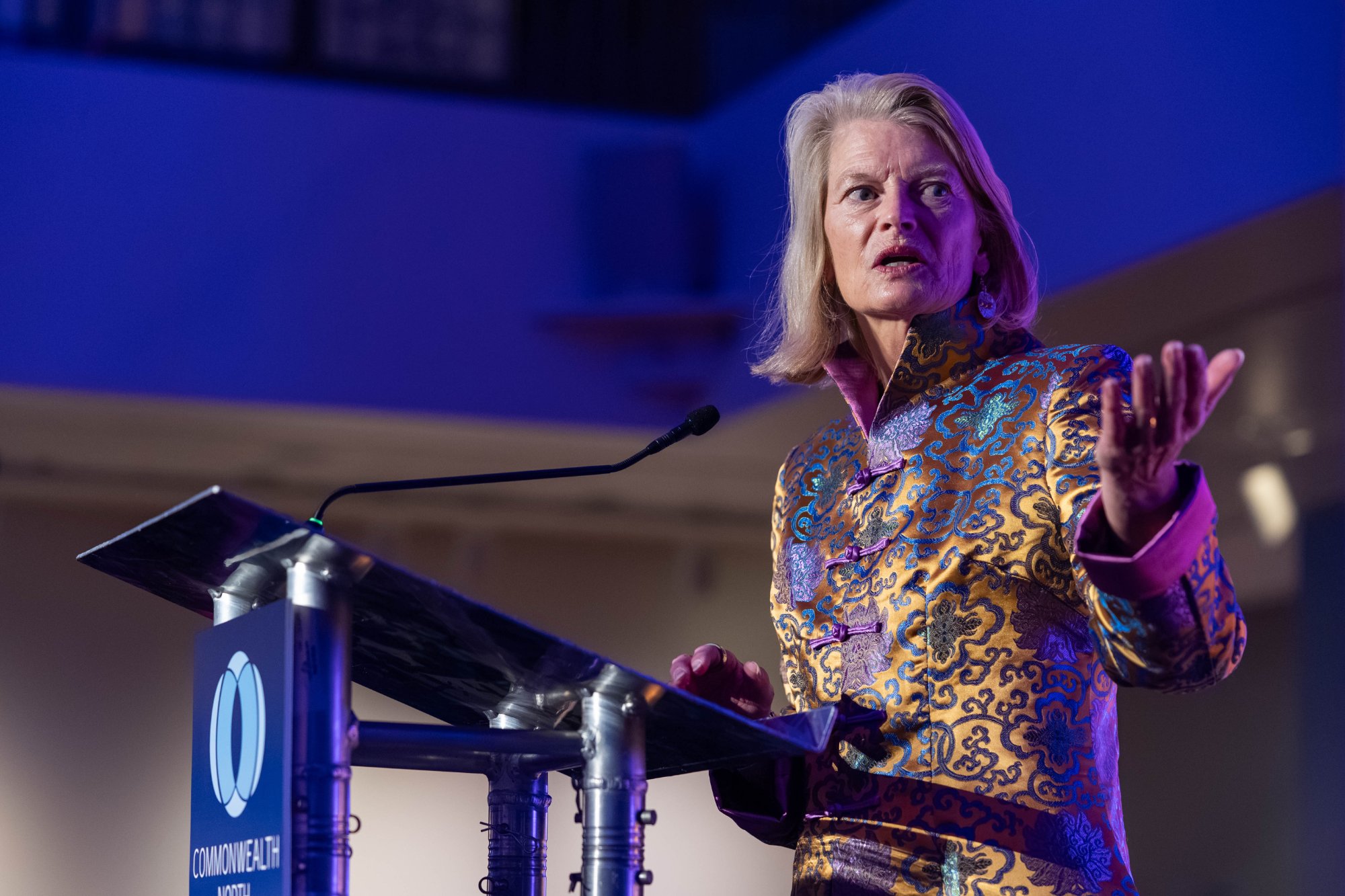
We were also honored by the presence of Senator Lisa Murkowski, who imparted a few words of wisdom. I also appreciate JKT joining me at my table, though I was not a good table host with my eyes on the stage.
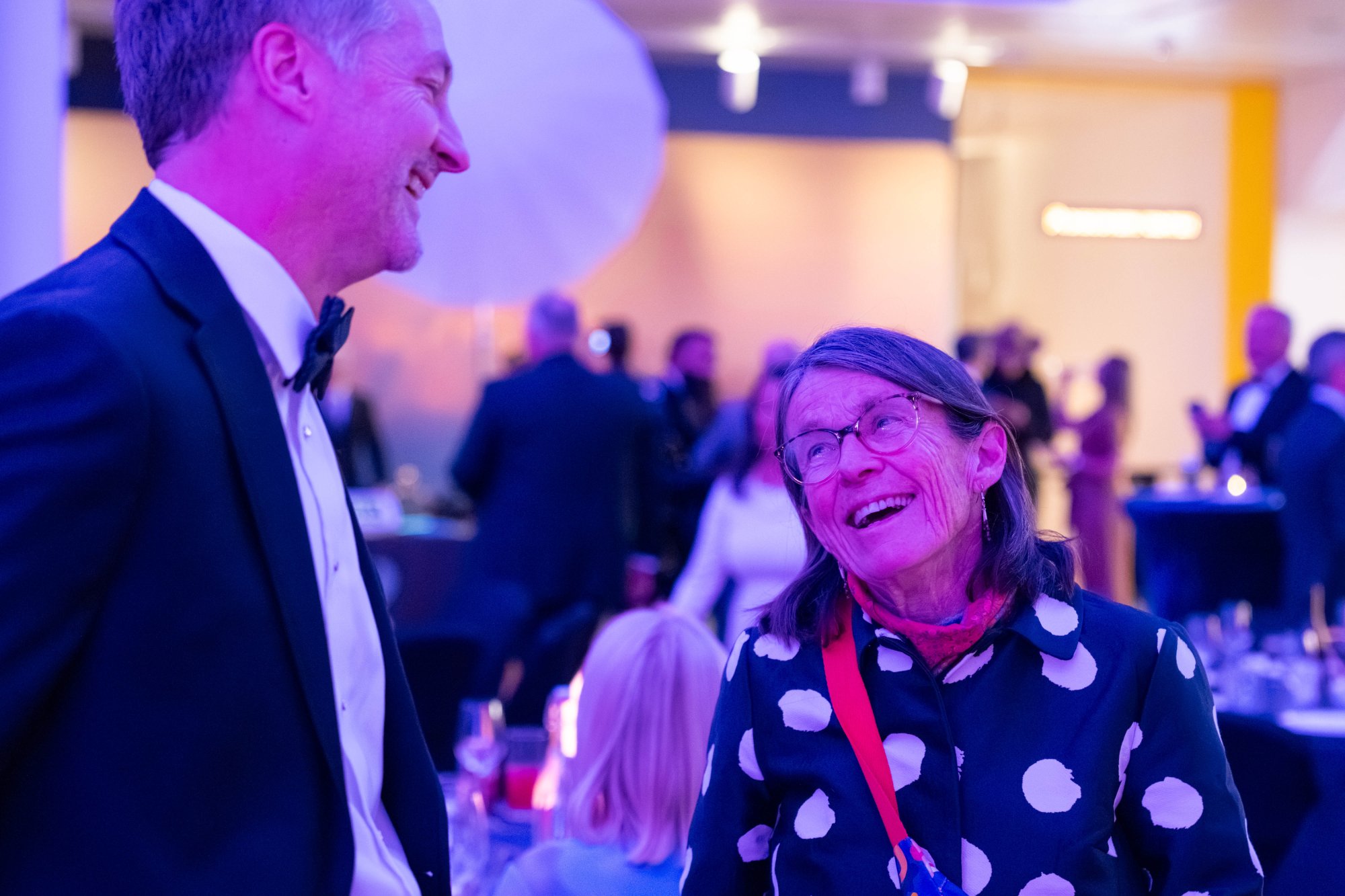
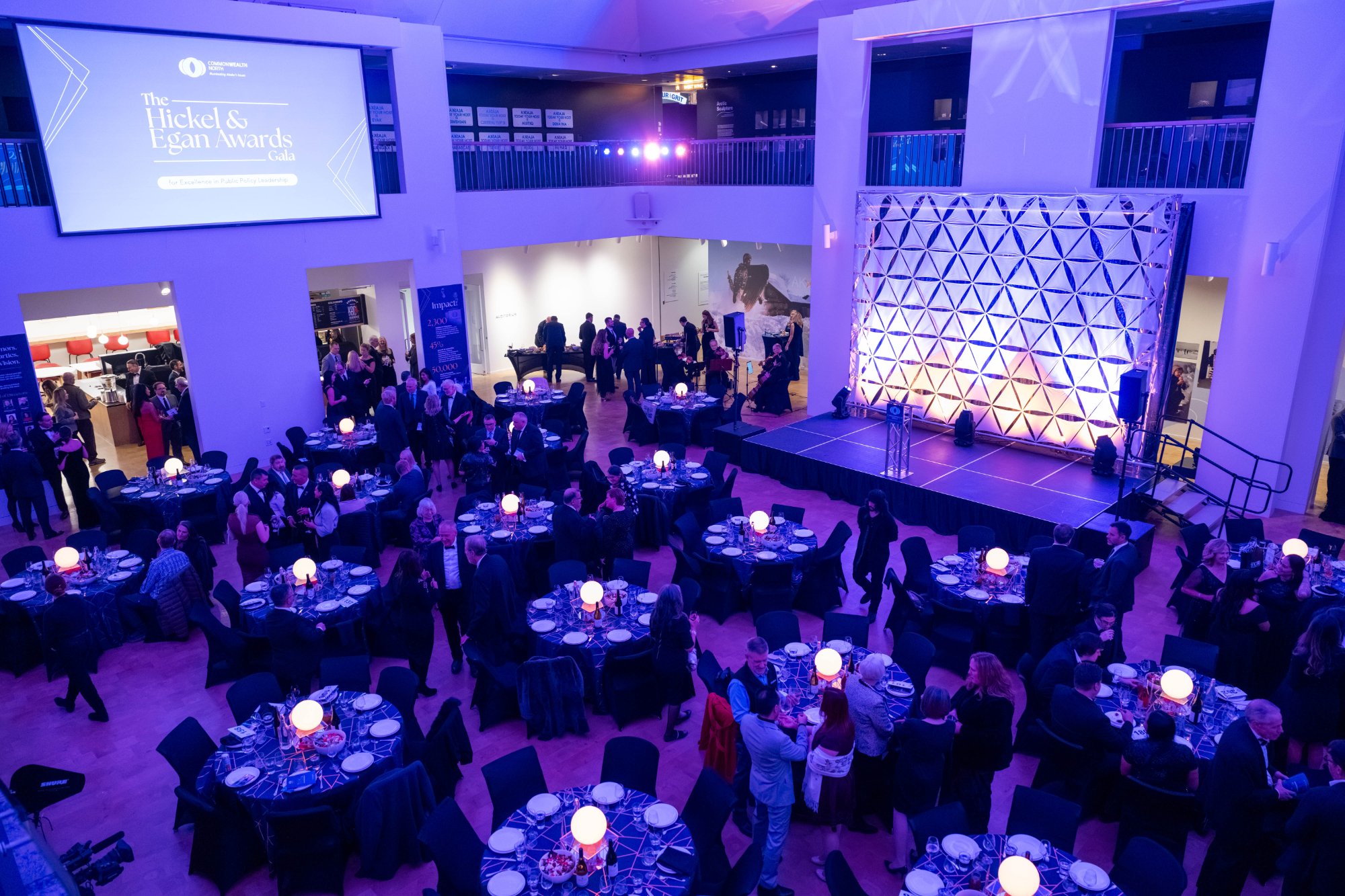
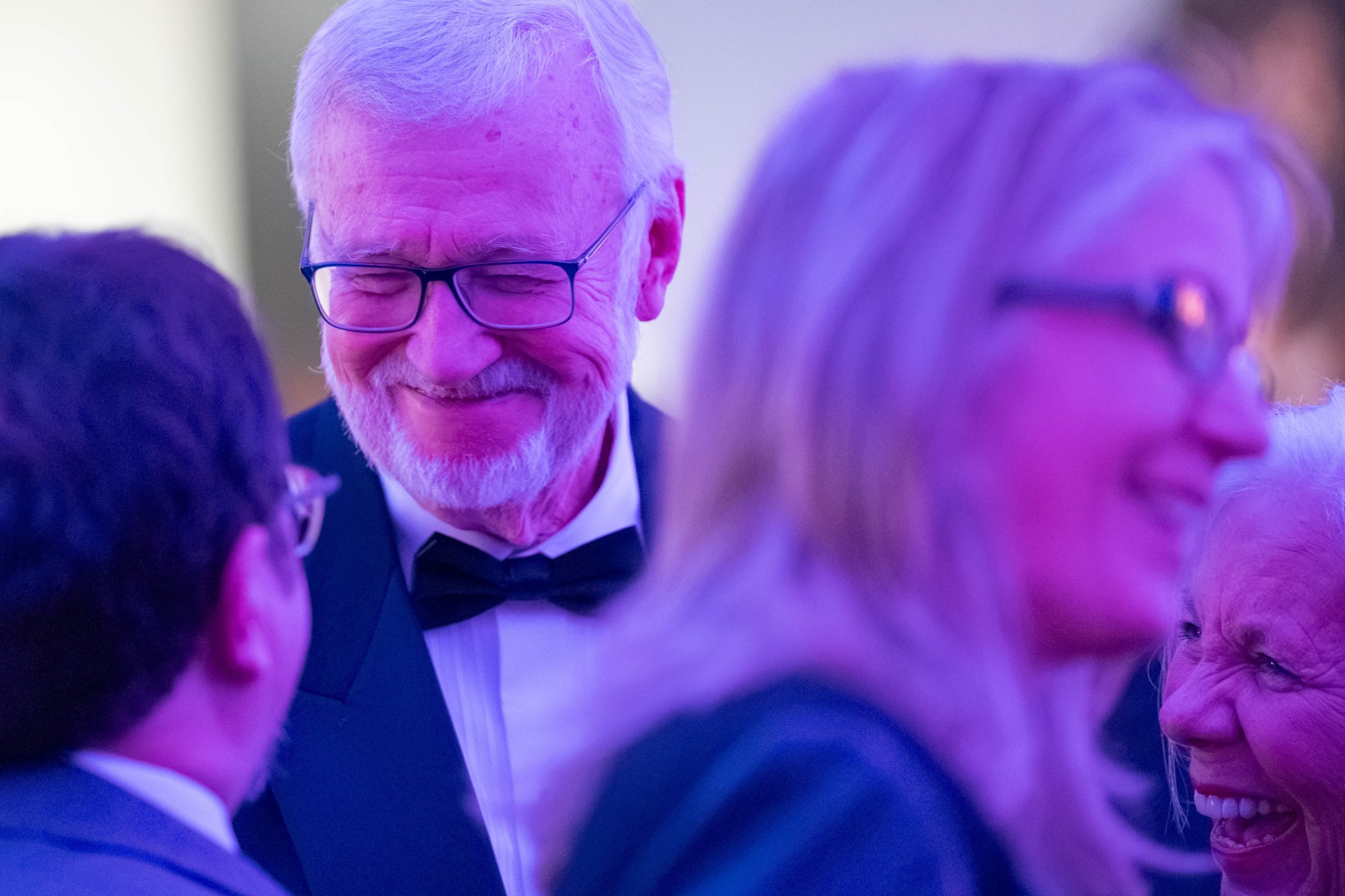
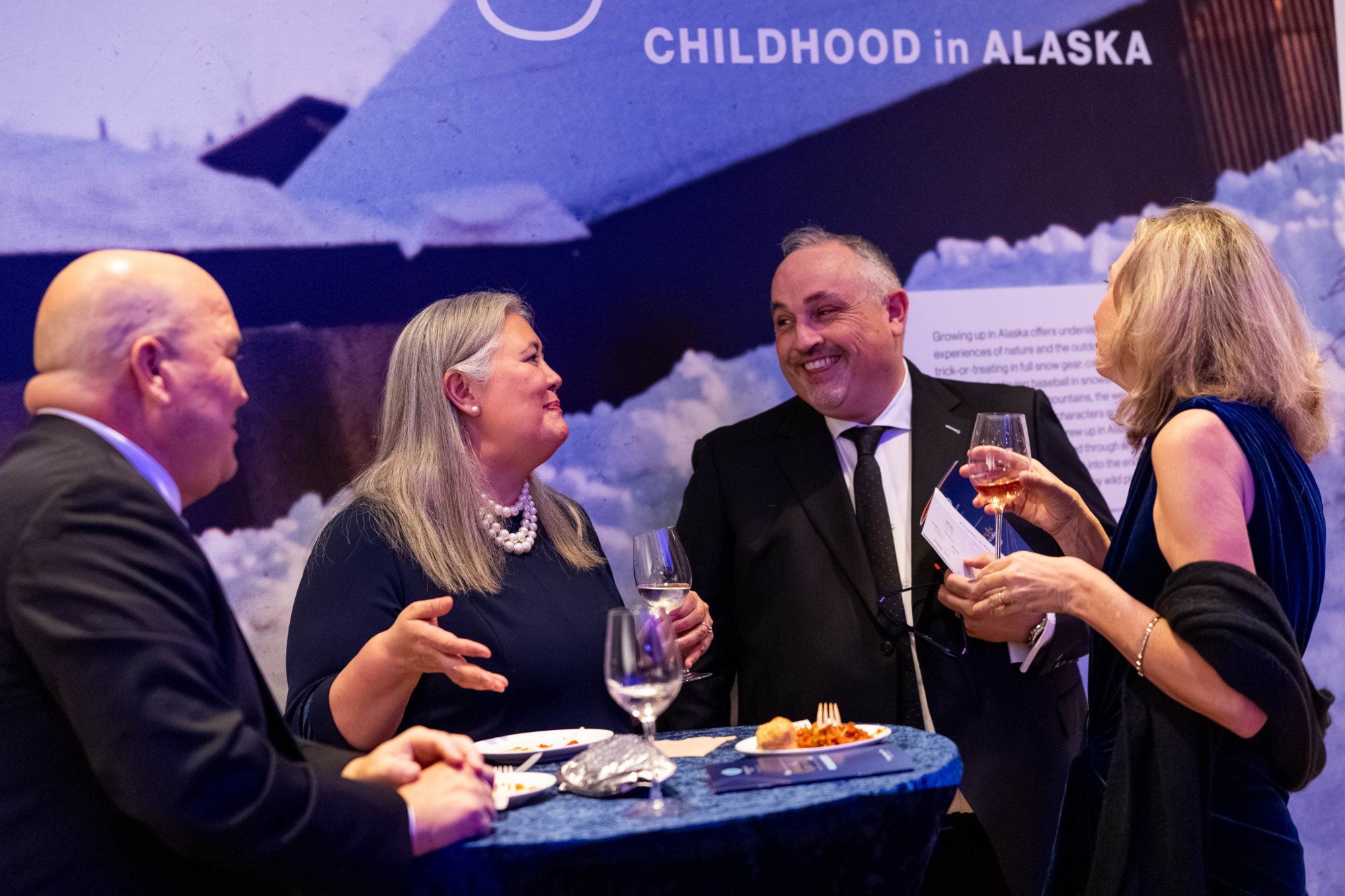
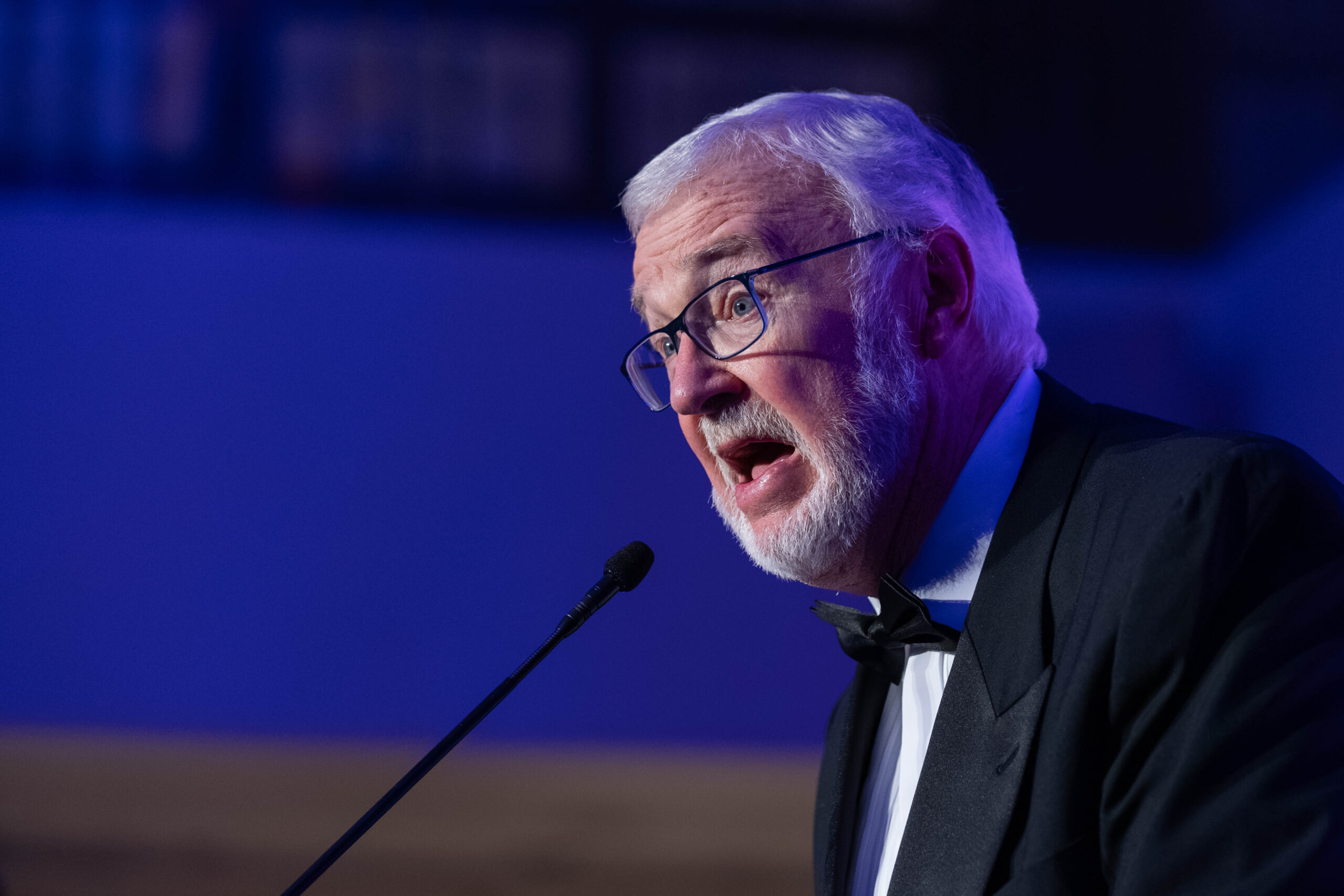
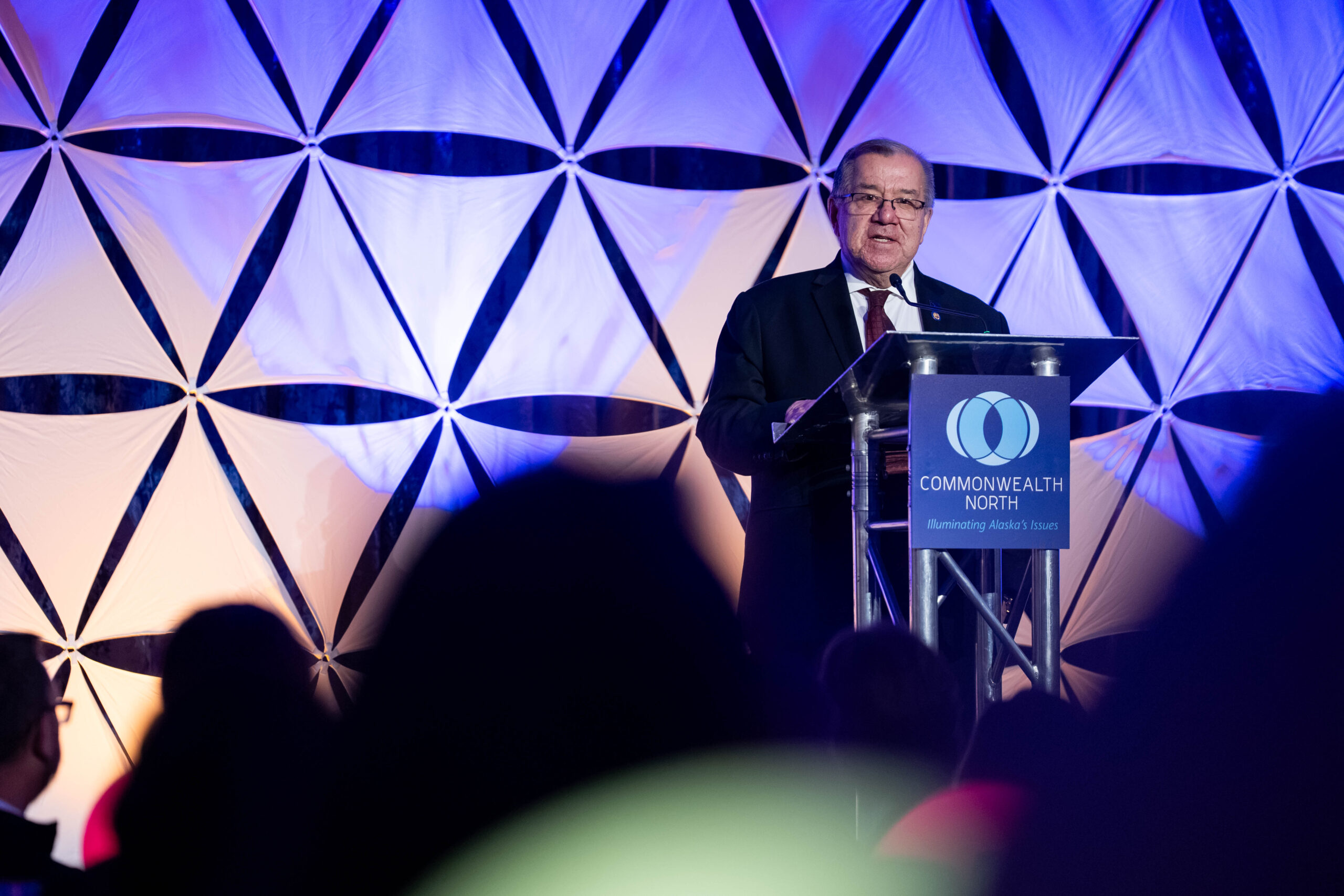
If you have a moment, taste a little of that spirit by watching the clips on YouTube or reading the transcript below. Photos from the evening are below. If you post them, please tag Commonwealth North.
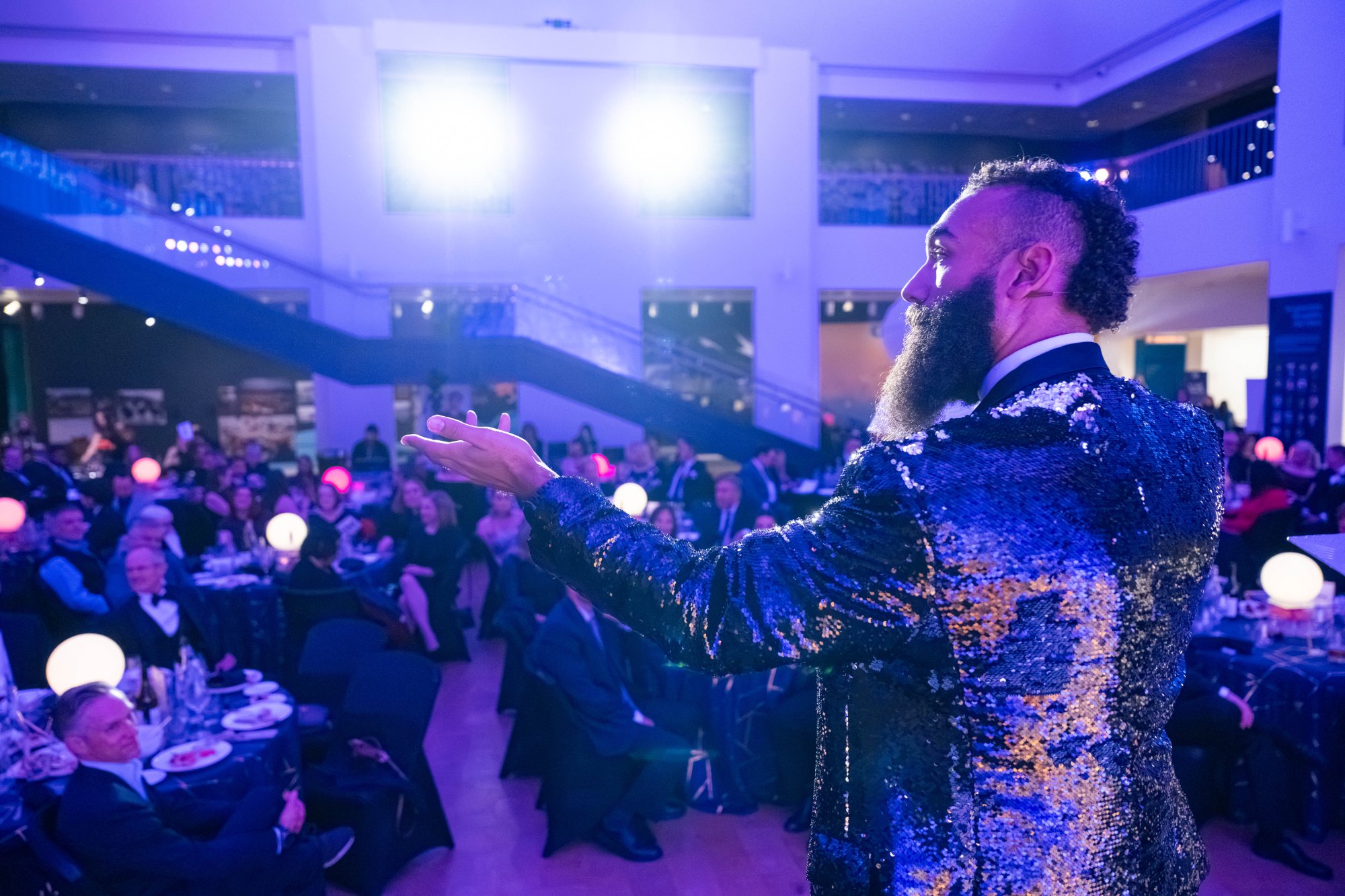
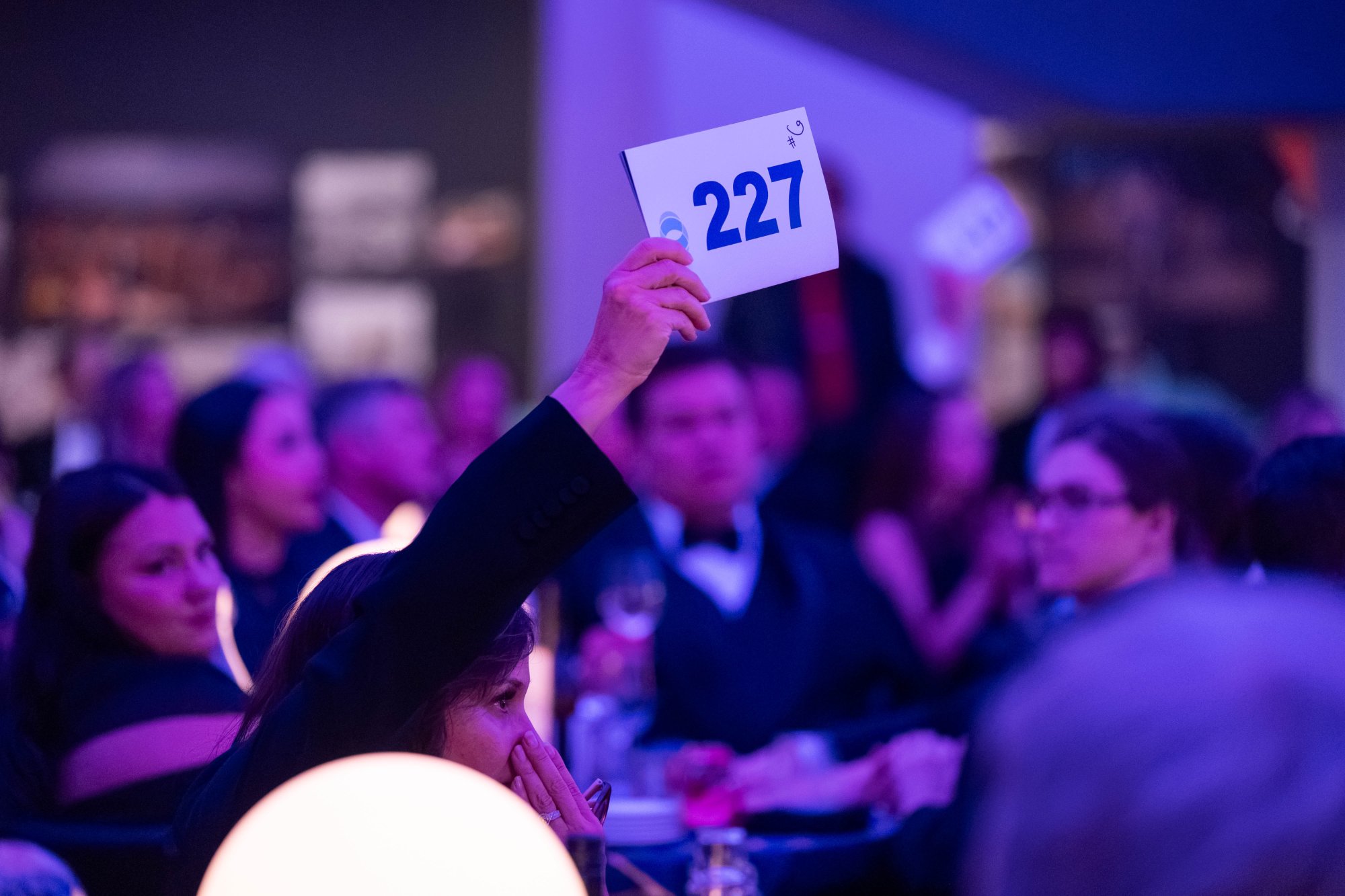
Together we raised $102,000 in sponsorships and paddle raises, and another $28,500 from the live auction.
The event would not have been a success without our board. While the whole board pitched in, I want to single out Moira Smith for chairing the gala committee and emceeing the evening, and Gloria O’Neill for introducing Carl Marrs. Several other board members publicly showed their support at the event, including Dave Rand, Robb Kulin, Gretchen Guess, Tali Birch, Kris Knauss, Jennifer Johnston, Barry Romberg, and Becky Windt Pearson.
A big thank you to our sponsor, Old Harbor Native Corporation, our Cornerstone members, GCI and ConocoPhillips, and all the companies that purchased tables.
Thank you as well to everyone who donated auction items: four round-trip tickets from Alaska Airlines, two nights at Borealis Basecamp from Stellar, round-trip train tickets from the Alaska Railroad, an Alyeska stay and spa package, lunch with Lisa Murkowski in D.C., and more. I especially want to thank Old Harbor Native Corporation for doubling its donation of a two-night Kodiak Combo fishing charter.
That second charter doubled our live auction revenue for the night.
Thank you everyone who was there in person and in spirit and for showing your support.
Ross Johnston, Executive Director, Commonwealth North
Transcript
Remarks from the Commonwealth North Hickel & Egan Awards Gala, November 5, 2026. Lightly edited from the event recording for readability. Any errors in spelling, names, or facts are apologized for in advance.
Welcome
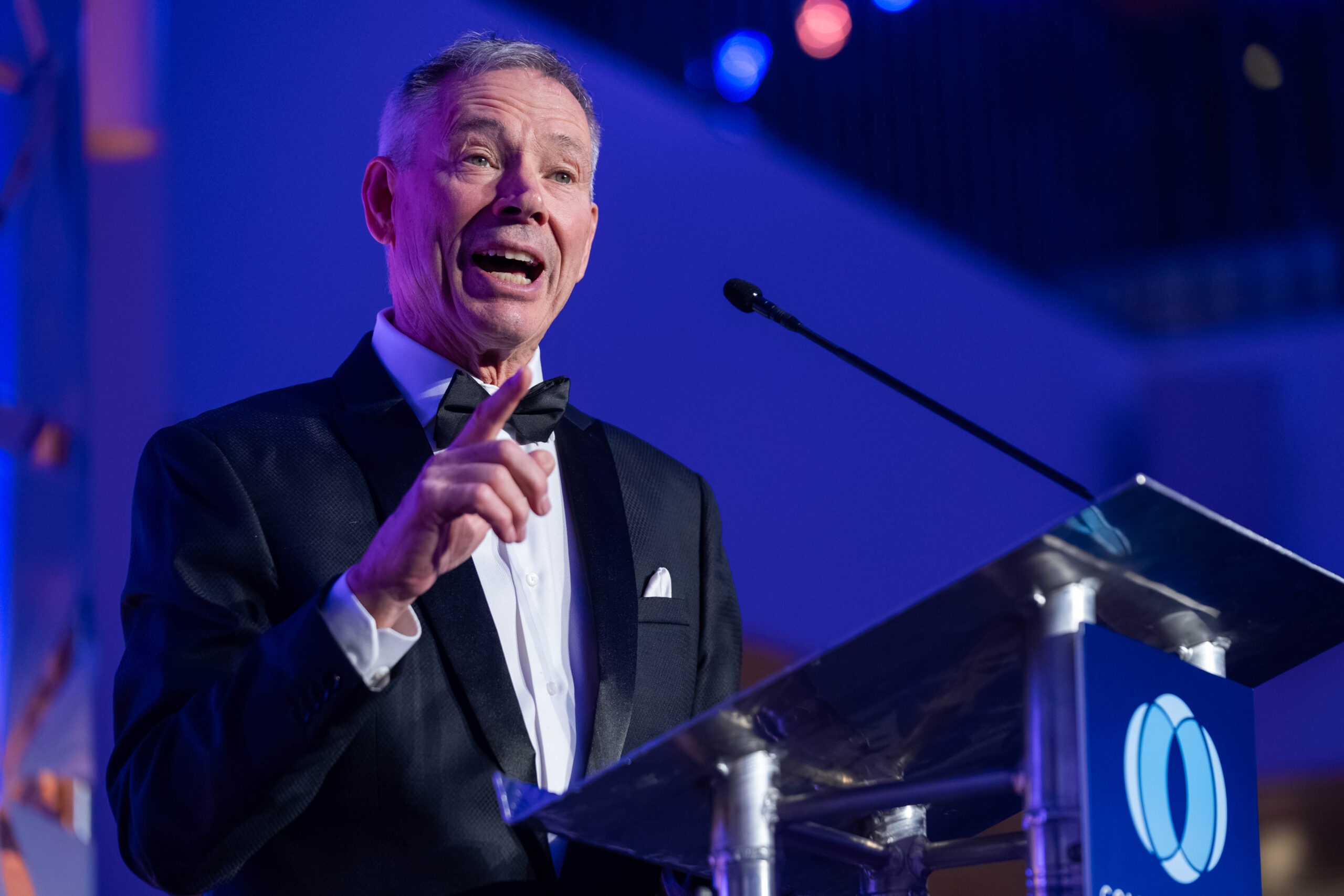
I am Ross Johnston, the executive director of Commonwealth North. And if you know me, you know that I am notorious about keeping my forum participants on a very strict time schedule. Tonight, I have given myself 10 minutes. Kai Binkley Sims, can you start the clock? Thank you.
Before we begin, I want to acknowledge that we are gathered tonight on the traditional homelands of the Dena’ina people. I also want to acknowledge that every corner of Alaska was home to its first people long before there was a state or a map with Alaska’s name on it. Their stewardship is the foundation the rest of Alaska is built on. And we are grateful for your continued stewardship of this great land.
And that brings me to our first thank you. Old Harbor Native Corporation, from the Alutiiq village of Old Harbor on Kodiak Island. You are our key sponsor tonight, and thank you for believing in this evening and the work coming. Thank you, Kristina.
I also want to thank all the notable guests that we have tonight, including Senator Lisa Murkowski and other elected officials. Thank you.
And a thank you to ConocoPhillips and GCI, our Cornerstone members. Your steady support is what lets Commonwealth North keep bringing Alaskans together, across parties and across regions, to work on the questions that matter most to the state. So, thank you.
Back in September, I received an email from North Pole, Alaska, saying that we held the best gubernatorial forum in the state. And if you haven’t guessed, that email was from Santa Claus.
So, two takeaways. If you didn’t know, there is an Alaskan who legally changed his name to Santa Claus and lives in North Pole. And number two, we made his nice list.
I get emails like that all the time, from Utqiaġvik to Homer, from legislators, community leaders, engaged Alaskans, and every one of them is a reminder of who Commonwealth North works for. We work for Alaskans.
So, what is an Alaskan? Rough, rugged, industrious, above average, good-looking. Yes, you’re all of those things. But my definition is a little bit more simple. You want to be here.
There are people who arrived here two weeks ago who are more Alaskan than people who have lived here their whole lives. Because when you want to be here, you will invest your time and effort to make your home better. And if you don’t want to be here, you’ll complain and work on your exit plan. That’s not who we are here for. We are here for those who want to make Alaska better. We’re here for you.
Last year at this gala, I said publicly what a lot of people were saying privately: that we could give up the dividend to create a stable fiscal future. I was told that saying that would be like walking into an 8-year-old’s birthday party and saying, “No cake.” And do you know what happened? Absolutely nothing.
The earth did not shatter. Facebook did not erupt. There were no effigies of me burning. And that told me something. Alaskans are ready for change. They’re not only asking for it, they are begging for it.
So, let me say another truth out loud tonight. The people leaving Alaska are not the ones who don’t want to be here. The people leaving are the ones who want to stay.
Look around your table. Eight people. Kris Knauss, don’t point. This is also a fundraiser.
If your table looked like Alaska, three of you would not be able to cover the basics. Food, health care, child care, housing. Not the poor. Working families, more than one in three Alaskan households.
And this isn’t about lack of opportunity. One in four people working in Alaska live somewhere else. That is two people at your table of eight holding an Alaska job and taking the paycheck to another state.
And this isn’t about lack of resources. Fifty-seven of the 60 critical minerals are in Alaska. We have new oil coming online on the North Slope, and enough natural gas on the North Slope to power the rest of the United States for the next three years.
And this isn’t about money. We have the largest state sovereign wealth fund with one of the smallest state populations.
So what does it mean? It means we are not preparing the Alaskans who are here for the opportunities that are here. And this is an “us” problem. I don’t mean us as Alaskans. I mean us in this room tonight.
My 10-year-old goes to one of those well-praised charter schools, and she’s in a class of 33. When I was 10, my class had 27 students, a teacher and a teacher’s aide. That was one educator for 14 kids. My daughter has one teacher for 33. I don’t need a study to tell me that math is not mathing. That’s not teaching. That’s crowd control.
So why do my daughters deserve less than I did? They don’t. And neither do yours.
I hear it all the time: there are no good people to hire in Alaska. And whose fault is that? That’s ours. That’s like a bakery complaining there’s no good bread in town. And we made excuses. We said that those families came from broken homes and weren’t ready for the good jobs. But that hasn’t worked for us.
So, let me tell you a little secret. What is Alaska’s number one resource? Is it the beauty? Is it the minerals? Costco?
It’s us, the people. Those all sit as potential, but it is us who realize the potential. If we want to build a better Alaska, we have to build better Alaskans.
And this isn’t just about education. This is about community. Because nobody in this room got here alone. Look at who we honor tonight. Every one of them was mentored. Every one of them was handed a connection, a chance, a seat at the table they had not earned yet. When they stood up with a vision, some people fought them, but the coalition that lifted them was stronger than the one that pushed them down. That is how this state has grown. Not from the potential, from the people.
Wally Hickel was not always well-liked. He made bold choices, and those choices did not always put him ahead, but they did put Alaska ahead. So, who is our Wally Hickel of today?
Our leaders get accused of lacking vision, but I don’t think that is true, and there are definitely exceptions to that rule. I think most of them get scared, because we tell them: if you make waves, you won’t get elected. Mess with the status quo after you are elected, and you get voted off the island.
We can keep blaming them for not making the big choices, because, let’s face it, it’s easy to play devil’s advocate. There’s a whole social network dedicated to that, called Facebook. But what our leaders and legislators are short on are evangelists, advocates, connectors, someone who says, “I see you are trying, and I’m here to help.” Our leaders get more strength from our encouragement than from our criticism.
Wally Hickel had people who lifted him. Every honoree tonight had people who lifted them. We need to lift the next generation of leaders. My kids will need people like you to lift them. So will yours. And that is our job: to lift Alaskans.
Not someday. Not after a fiscal plan passes. Now. Us, in this room. Because you chose to live here. You choose to love here. You choose to make our state a better place, because you are Alaskans.
Alaska will be exactly as great as the Alaskans we build. So, let’s build the best damn Alaskans.
Join me with a warm round of applause as I welcome Moira Smith to introduce what the awards mean tonight and why we give them to folks who are not just our honorees but our mentors, our leaders, our Alaskans.
Thank you.
The Walter J. Hickel Award for Visionary Leadership
Moira Smith, Gala Chair and Commonwealth North Board Member: Good evening. It is such a joy and such a source of honor to be with you tonight. I’m not going to take a lot of time, you guys. Let’s get to the action.
We have two awards that we give out, and this evening one of them is being given to two people. They’re distinct from one another, and they’ve existed for some time. The first is in honor of Governor Hickel, and it is the Walter J. Hickel Award for Visionary Leadership.
To introduce our awardee this evening, I’d like to invite Gloria O’Neill up to the stage. Gloria O’Neill was our honoree last year. She’s the president and CEO of Cook Inlet Tribal Council and has been a relentless and persuasive voice on matters related to Alaska Native communities in Alaska and across the country. So, welcome, Gloria.
Gloria O’Neill, President and CEO, Cook Inlet Tribal Council: Good evening, everyone. Those entrées are coming out, and the steak looks great.
So, why am I standing up on this stage with my beautiful girlfriend Sophie Minich? It’s because when we thought about giving this award to Carl Marrs, well, how many of you know how much of a big kahuna he is? Yeah. I mean, come on. So it takes two of us to do it.
But before we get into it, I want to acknowledge Carl’s family. Thank you for being here with us tonight, and thank you for sharing Carl with our community over these many decades.
All right, where does Carl come from? Most of you know Carl grew up in Seldovia in a family of fishermen. He fished, and he served in the Marine Corps. Then, as a young man, he walked into CIRI, and he took all that grit and that relentlessness and he transformed the Alaska Native community, from the early years to the rest of Alaska and the friends that are here to support Carl and celebrate him today.
He is one of the most powerful business leaders this state has ever had. But if you ask anyone from Seldovia, what they’ll tell you is that he is still called Baby Carl.
And who knows this better than most people in the room? Carl Marrs has nine lives. We know that, right? It’s from that grit. So I’m pretty sure, Carl, you’ve used all those lives.
We know he doesn’t do anything halfway. He lives to the max. He says exactly what he thinks, and you never have to wonder where you stand with him.
But what I love about Carl is he’s still giving back. He’s still showing up where most people would have slowed down by now. But not Carl. Eight years as a University of Alaska regent, the Alaska Railroad board, the Fiscal Policy Council, and Koahnic Broadcasting. Just some of the many organizations Carl has served.
These days he chairs Alaskans for Common Sense and writes op-eds about the Permanent Fund. His advice to all Alaskans? Now get ready for this. It’s simple: use your common sense. That’s retirement, Carl style.
And we all know Carl is a diamond in the rough, don’t we? Some days he’s more rough than diamond. I came up with that, Carl.
And who knows this better than my good friend Sophie Minich, who worked alongside Carl Marrs for so many years when he led CIRI. Sophie.
Sophie Minich, former President and CEO, CIRI: Thank you, Gloria. And we’re truly talking about a diamond.
Good evening, everyone. Tonight, it’s my ultimate honor and privilege to join Gloria in recognizing a remarkable Alaska businessman, a visionary, a champion for Native communities.
Carl’s career has been defined by his steadfast commitment to serving Alaska Native shareholders and creating opportunities for future generations. During his more than three decades at CIRI, culminating in the role of president and CEO, he helped to transform the organization into one of Alaska’s most respected Alaska Native corporations, delivering record shareholder dividends while advancing the social and economic well-being of its people.
Carl demonstrated exceptional strategic vision through investments that transformed CIRI’s future. One of the most notable was CIRI’s investment in a little telecommunications partnership that became part of VoiceStream Wireless. OK, you guys: today VoiceStream Wireless, after it was bought by Deutsche Telekom, is T-Mobile.
CIRI’s investment increased dramatically during this time, creating extraordinary returns for the company and its shareholders. As a result of that transaction, CIRI was able to make significant special distributions to its shareholders, the majority of which were tax-free.
When the first special distribution happened, which was $50,000 and happened right toward the end of the year, it was New Year’s big news: CIRI shareholders, $50,000. The car sales lots were flashing signs: “CIRI shareholders, you’re welcome here.” To Carl, that meant it was time to get down, get busy, and protect our shareholders, which is exactly what we did. Through his leadership, we made sure that those shareholders were protected financially and physically, and ready to receive the benefit they were going to receive.
Beyond those efforts, Carl led the effort to endow The CIRI Foundation with $53 million for the education and career aspirations of CIRI shareholders, their descendants, and other Alaska Natives.
But Carl didn’t stop there. After his distinguished career at CIRI, he brought his strategic mind and his dedication to Old Harbor Native Corporation. He served as their CEO from 2010 to 2024, and he guided that corporation through a period of tremendous growth on behalf of its shareholders and helped position it for its future success. Even following his retirement, just like Carl, he remained engaged as an adviser and a board participant, ensuring a thoughtful transition and continued support for the corporation into the future.
One of Carl’s most significant contributions, though, extended far beyond the companies he led. While CEO of Old Harbor Native Corporation, he became the leading advocate for improvements to the Alaska Native settlement trust legislation. In testimony before the United States Senate, Carl championed reforms designed to make settlement trusts more effective tools for protecting Native assets, supporting shareholders’ well-being, and ensuring that the benefits of ANCSA could be sustained for future generations.
Today, because of Carl’s tenacity, his grit, and his determination, Native corporations that have established settlement trusts and are paying dividends to their shareholders are doing so on a tax-free basis.
Beyond the boardroom, Carl has been a tireless advocate for education, youth development, civic leadership, and Native self-determination. His service to numerous nonprofit, business and educational organizations reflects a belief that leadership is ultimately about lifting others up.
Gloria and I, and countless others in this room, have benefited from Carl’s ability to see the big picture, to lead, to mentor, to provide opportunities, and to identify potential in his people and help them build, and in turn create strong leaders throughout the organizations he has served.
Carl, congratulations. And from the bottom of my heart, thank you for your exceptional leadership, your service, and your impact. Your legacy lives on in the organizations that you strengthened, the communities you have served, and the countless people that you inspired along the way, including myself.
Gloria has a few more words.
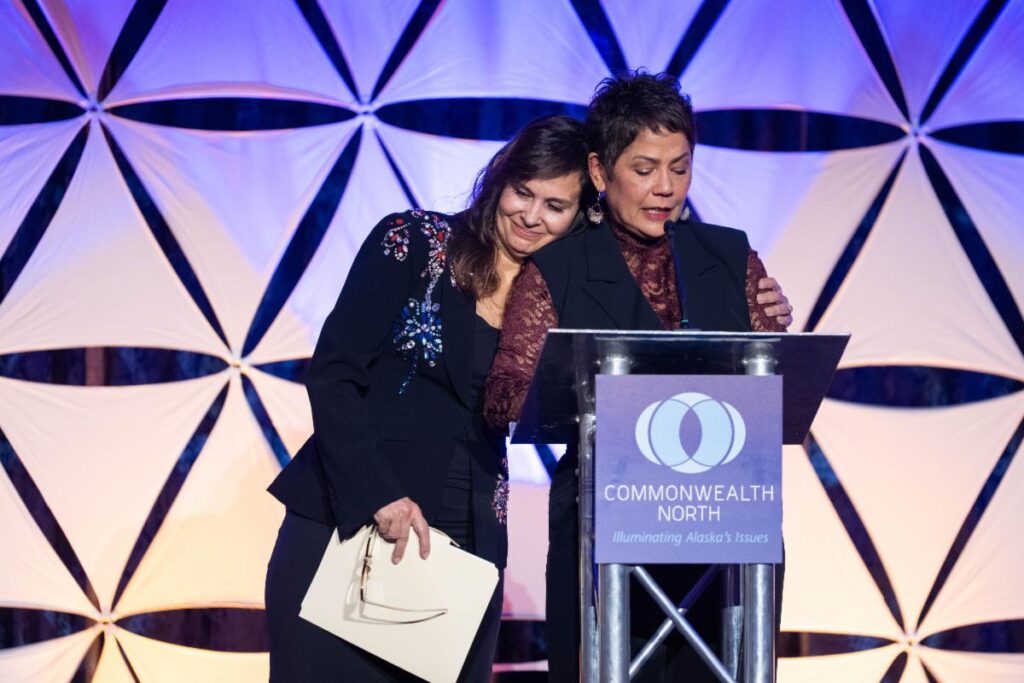
Gloria O’Neill: Not only was it inspiring people, but it created these friendships and fellowship that Sophie and I share.
As Sophie talked about, Carl has an eye for people, and I’m one of those people. He knew how to pick people and help them grow.
I’ve known Carl since 1998, when I became the CEO of CITC. I was 28 years old. I didn’t know what I didn’t know. But Carl did.
And I’ll never forget that when I stepped into my role, Carl was lying in a surgery bed, recovering from one of his many heart surgeries. I told you he had nine lives. But that didn’t stop him from sharing some of his wisdom.
First, he said, “Don’t mess it up.” But guess what? He didn’t use the word “mess.” The word started with an F and ended with a K. You guys got it. Yeah, I was waiting for the laugh.
Then the part that stuck: “When you turn the ship, turn it slowly. Know where you’re going, and bring the people along. And when the tough gets going, have courage and hold steady.”
That’s Carl. A lot of wisdom in very few words. And I’ve kept that wisdom with me for the past 30 years.
We all know Carl doesn’t do subtle. In the late 1990s, the legislature kept blocking a constitutional amendment to protect subsistence for our people. So what did Carl do? Carl took photos of those eight legislators. I mean, these were big photos. Blew them up and posted them in front of AFN’s 4,000 people.
This is what Carl said. You heard Ross talking about this earlier; it’s about courage. He said, “Now you know who to vote against.” And what he also said is, “It’s not personal. Their position is bad for Alaska.”
What does this tell you? It’s about character. Is Carl perfect? No. Is Carl messy? Absolutely. But Carl is one of the most brilliant, transformative entrepreneurs Alaska has ever seen. He has the gut instincts to spot an opportunity before anyone else in the room. Plenty of people can see the vision, but Carl has the grit and the constitution to get it done.
And he has always been clear about what matters: people, his family, his friends, and the mission to improve the lives of Alaska and Alaskans. He has never lost sight of that.
I want to thank Old Harbor for your love and care of Carl. Kristina Woolston, who leads Old Harbor today, said it best: “Carl Marrs is a visionary leader whose strength, determination, and unwavering commitment to our people helped transform our corporation and our community.”
And I appreciate the leadership of Old Harbor who are here today. Thank you.
So, before I bring Carl up, because I know he has to get up and walk up here. He said, “Don’t be a smartass, Gloria.” But as he starts to walk up, I just want to also congratulate Senator Lyman Hoffman and Senate President Gary Stevens on this year’s Egan Award. Alaska is stronger for your many years of service, and it’s an honor to celebrate you both tonight.
Carl didn’t want to be here. He thought I was a troublemaker. I’ll have to tell you this story; I can’t help myself. I called him up and I said, “Carl.” He says, “What the hell do you want?” But anytime he calls me, and he hasn’t worked in the region for two decades, Gloria answers the phone.
And I said, “Carl, I need you to show up in Anchorage.” And he goes, “What the hell for?” I told him about the award, and he’s like, “You know I don’t care about recognition or fanfare.” And I said, “I know you don’t. But Carl, we care about you, and we want to show you how much we love you and what you’ve done for Alaska.”
Carl Marrs
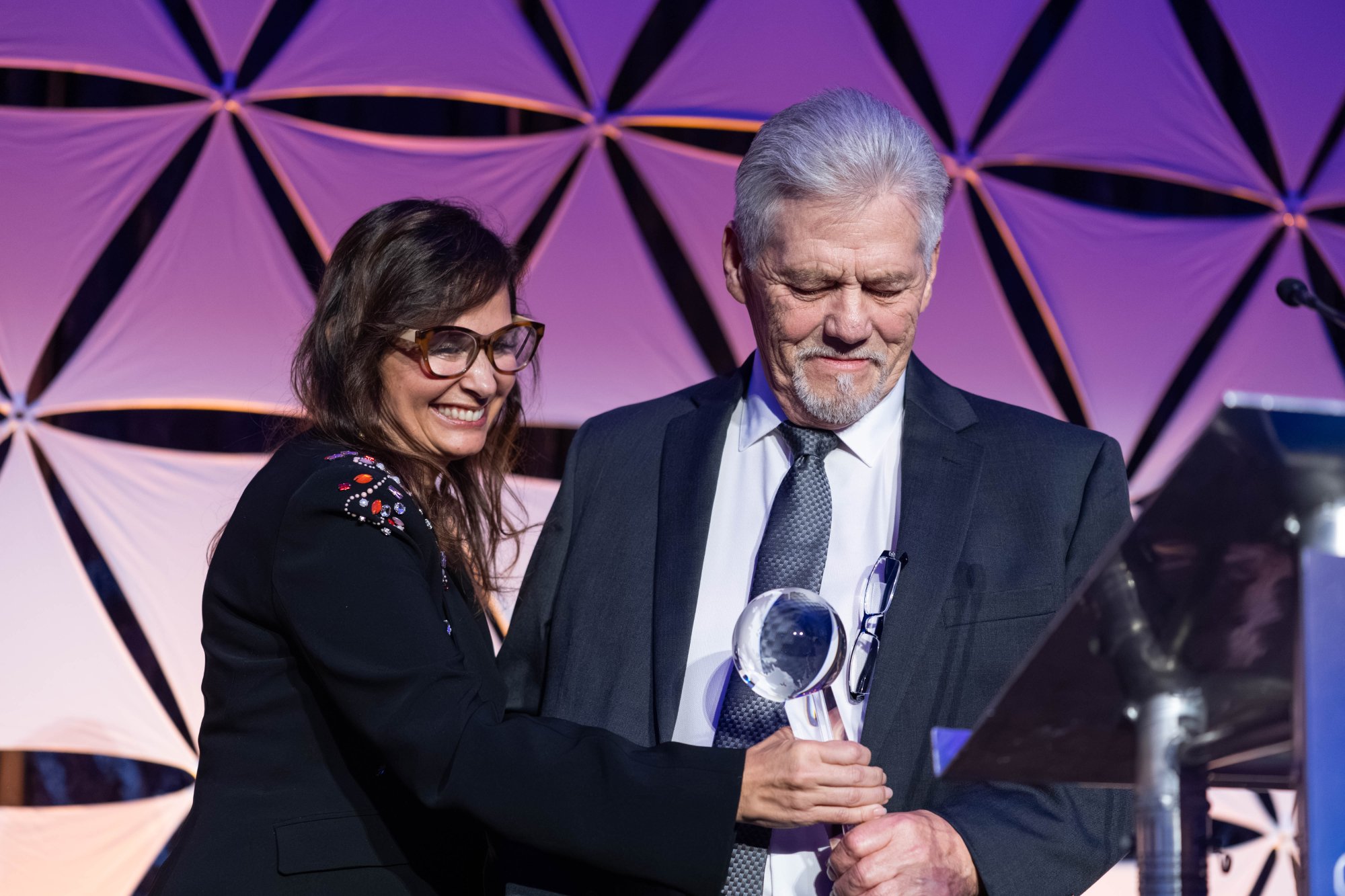
Carl Marrs, 2026 Walter J. Hickel Award honoree: Well, I’d like to know who the hell she was talking about. Thank you, Gloria. Thank you, Sophie. That introduction was a bit over the top.
It would be nice to take all of the credit for all the things that were done while I was at CIRI and those things accomplished at Old Harbor. However, as you all know, it takes a supportive board and a great team, managers, staff, and mentors, to make this work. It’s important to have mentors around you, and I for one have drawn upon many of them from time to time.
I appreciate Commonwealth North and what it does to encourage people to become mentors. It’s wonderful to be here tonight, and I appreciate Commonwealth North bestowing on me the honor of receiving this distinguished award, the Wally Hickel Award.
Now, I’ve got to tell you, Wally and I didn’t get along great. We had a few arguments, and he’s probably spinning in his grave. But anyway, thank you for allowing me to share the stage with two other distinguished gentlemen, Senator Lyman Hoffman and Senator Gary Stevens. They both have accomplished a lot for the state of Alaska in the many years that they’ve served. And I’m sure we’ve not seen the last of them. I hope.
I’d also like to introduce my family. My brother Pat, who’s here with me. My older brother Pat. And you know, I just found out today, I’ve been losing weight, and I finally got below his weight, so I feel good.
I’d also like to introduce my children, Emo and Crystal, who are sitting here. They’ve given me six grandchildren. And those grandchildren have given me two great-grandchildren. Must mean I’m getting older and supposedly getting wiser. Well, school’s still out on that one.
I also want to recognize my partner, Cindy Callahan, who keeps me somewhat grounded, somewhat focused, to a much greater degree than I can.
I am an incredibly lucky guy. I’ve had some of the greatest mentors during my career, some of whom have received this distinguished award. Great people to follow in the footsteps of, such as our good friends Senator Stevens, Congressman Don Young, Ed Rasmuson, Carl Brady, Morris Thompson, Jake Adams, and the list goes on, including many of you sitting here.
I do have to tell a story about the shareholder trust legislation. We sort of kept that under the radar quite a while, working on it. But thanks to Senator Murkowski, who’s here, I believe, somewhere. Where you at, Senator? You’re here. And Senator Sullivan and Congressman Don Young.
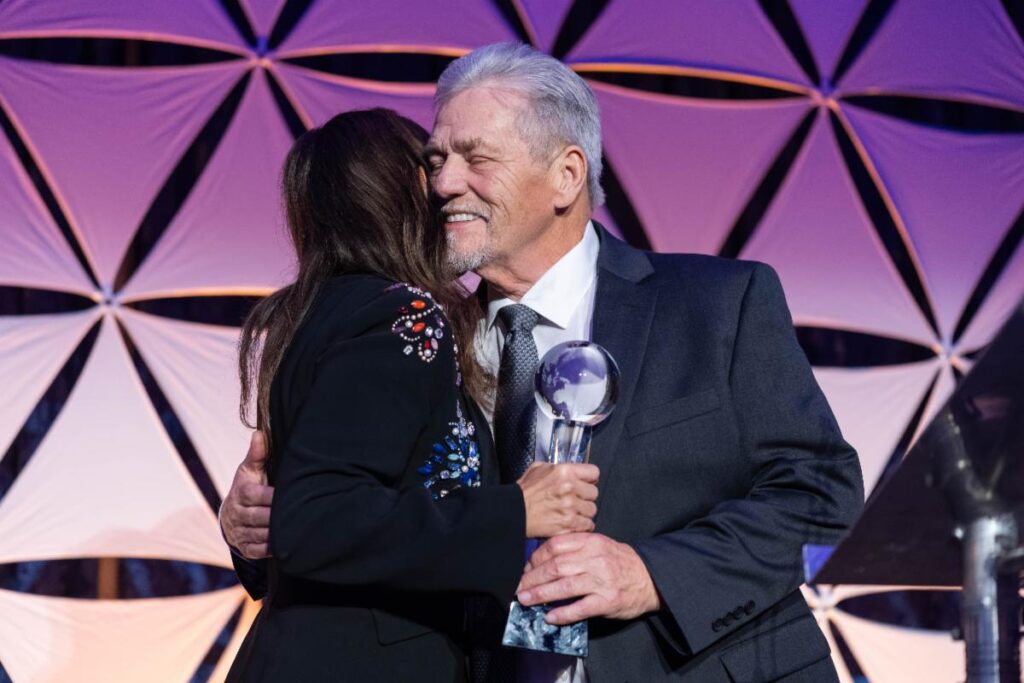
I wouldn’t be receiving this award tonight if it weren’t for great management and staff. I’ve had the privilege of working with the best over the years, both at Cook Inlet Region for 30-plus years and at Old Harbor Native Corporation for at least 15 years or more.
I especially want to thank the Old Harbor board of directors, who supported me through some pretty tough times and lean times. And I’d also like to thank Dave Jarrett, who was my COO and is now the CEO of Old Harbor Investment LLC, for sticking with me through those tough times.
I have to acknowledge that having a great team made Old Harbor successful. Made me look real good for an old fisherman from Seldovia and Kodiak.
And thank you to the board of Commonwealth North, and Gloria O’Neill, for allowing me to share the stage with these two distinguished senators. I want to thank all my board, staff and management for being there with me over the years. I accept this award on their behalf. Thank you.
The William A. Egan Award
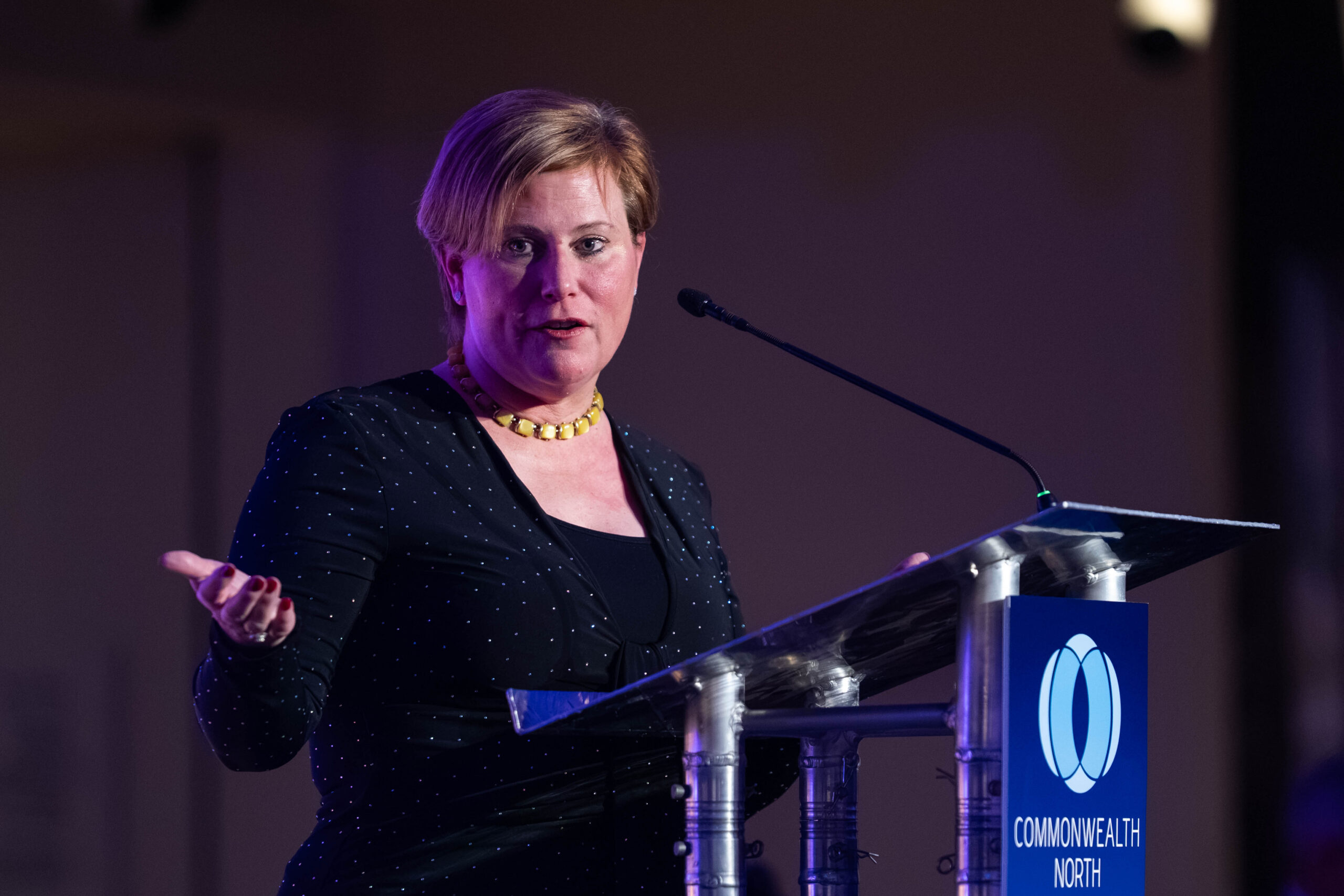
Moira Smith: I somehow failed to note at the beginning that my name is Moira Smith. It’s nice to meet you if I haven’t before. I got the honor of chairing this gala as a member of the Commonwealth North board, working very closely with Ross Johnston. It’s truly my honor and my joy to lift up these Alaskans.
So, let’s turn to the next award. Listen, if you’re going to give an award to Senator Hoffman at the end of his long legislative career, and Gary Stevens is going to decide to retire the same year, between Rita and Lillian and Lyman and Gary, it’s got to go together. So we’re excited this year to honor two Egan awardees.
In the true spirit of Governor Egan, who was able to put politics aside and enact good policy for the state of Alaska, we are excited to welcome up to the stage John Binkley, who was last year’s Hickel awardee, to introduce our two Egan awardees. Welcome, John.
John Binkley, 2025 Hickel Award honoree: Wow, what a privilege. What a privilege to recognize two such incredible senators, Senator Lyman Hoffman and Senator Gary Stevens, as this year’s recipients of the William A. Egan Award.
I believe Governor Egan would be particularly pleased with tonight’s honorees, because he understood that Alaska’s future was more important than political differences, and that when you can bring people together, you can move Alaska forward. That’s the foundation of tonight’s recognition of Lyman Hoffman and Gary Stevens.
I’ve had the privilege of knowing both men for many years. They not only come from different political parties, one a Republican, one a Democrat, and different regions of Alaska, they also have different leadership styles. But despite those differences, they share something very important in common, and that is a deep commitment to Alaska and a genuine care and respect for the people they serve.
Last spring, I had the privilege of serving as emcee at an event honoring Lyman and Gary as they announced their retirement. It was part tribute and part roast, and it took place in Juneau in the closing days of the legislative session. That’s, as you know, when tensions run very high, when patience is at a premium, and everyone has more things to do than there is time for.
But in that tense time, 54 of the 60 legislators attended that event to pay their respects. That is remarkable. Think about what that really says. At those stressful times, Republicans and Democrats alike came together to honor these two men. That really demonstrates the respect they’ve earned on both sides of the aisle.
Lyman was elected in 1986 and served 40 years. Think about that for a moment. Forty years. Over five decades. That was eight governors. Nine, with one new governor being sworn in December 7th. Is it at noon? Over 200 different legislators and over 150 different commissioners. And with prices of oil in those five decades swinging from $9 a barrel to over $120 a barrel.
We’ve experienced tremendous changes in our economy, in our communities, our budgets, and our politics over those five decades. But through it all, Lyman has been a steady and powerful voice, particularly for rural Alaska. He’s been a tireless advocate for rural education, affordable energy, and the needs of small communities that all too often are overlooked.
But perhaps his greatest strength has been his remarkable understanding of the legislative budget process. Lyman is a strategist. He understands the competing priorities, the personalities, the timing, and all the many moving parts that are required to bring people together to pass a budget. And he’s done that year after year after year, often under extraordinarily difficult circumstances.
Now, Gary Stevens has brought a different but equally important set of skills to the legislature. Gary is a very thoughtful and very steady leader. He’s deeply committed to education, to his constituents, to coastal Alaska, and to the institution of the legislature itself.
And he understands something fundamental about legislative leadership. He understands that every legislator arrives in Juneau having already earned the confidence of their constituents back home. In other words, he’s been a leader among a group of people who are themselves leaders, each having very strong opinions, independent judgments, and pressure from their constituents back home.
Bringing all those individual leaders together in an organization is very difficult. But keeping them together through the legislative session, particularly with the bipartisan coalitions that he’s put together, requires a tremendous amount of patience. It requires being very fair. It requires great judgment and, most important, a willingness to listen.
Both men, Gary and Lyman, are calm. They’re thoughtful. They’re very deliberate. And they both understand that to be one of the most influential people, you don’t have to be the loudest voice in the room.
Gary has been particularly effective at building and holding those coalitions together. And Lyman’s been particularly effective at finding the legislative path to consensus and turning that into action. Different skills, different political parties, but a common purpose: Alaska first.
And they also understand something that’s sometimes missing in politics today. Compromise is not a sign of weakness. And working with someone you disagree with doesn’t mean you abandon your principles. It means recognizing that the people of Alaska expect their elected officials to accomplish something. Together, these two men have demonstrated how that can be done.
Tonight wouldn’t be complete without an equally important recognition, and that is to the families of Gary and Lyman. Without the support of you, Lillian, and you, Rita, and all of your families, we wouldn’t have had the opportunity to have these amazing public servants. So, Lillian, Rita, all your families, Natalie, Doug, Trina, stand up, please. Let us recognize you.
Now, tonight’s recognition comes just two days after Alaskans went to the polls to choose our next governor, our United States senator, our representative in Congress, and 50 of our 60 legislators. Whatever our individual political views are, these two remarkable men have shown us that there can be hope for the next chapter in Alaska’s history.
The important values that they have are the same as when William A. Egan became Alaska’s first governor in 1959. It was a tremendously challenging time, but there was great optimism and a belief that by working together, we could build something extraordinary.
Gary and Lyman, you’ve carried that spirit forward through decades of service. And perhaps the greatest tribute we can pay you is not simply to recognize you for what you’ve accomplished, but to learn from you. Because if we can recapture some of that same spirit of cooperation, and always put Alaska first, our brightest days are ahead of us.
Lyman and Gary, it is my honor to present to you both the William A. Egan Award. Please join us on stage.
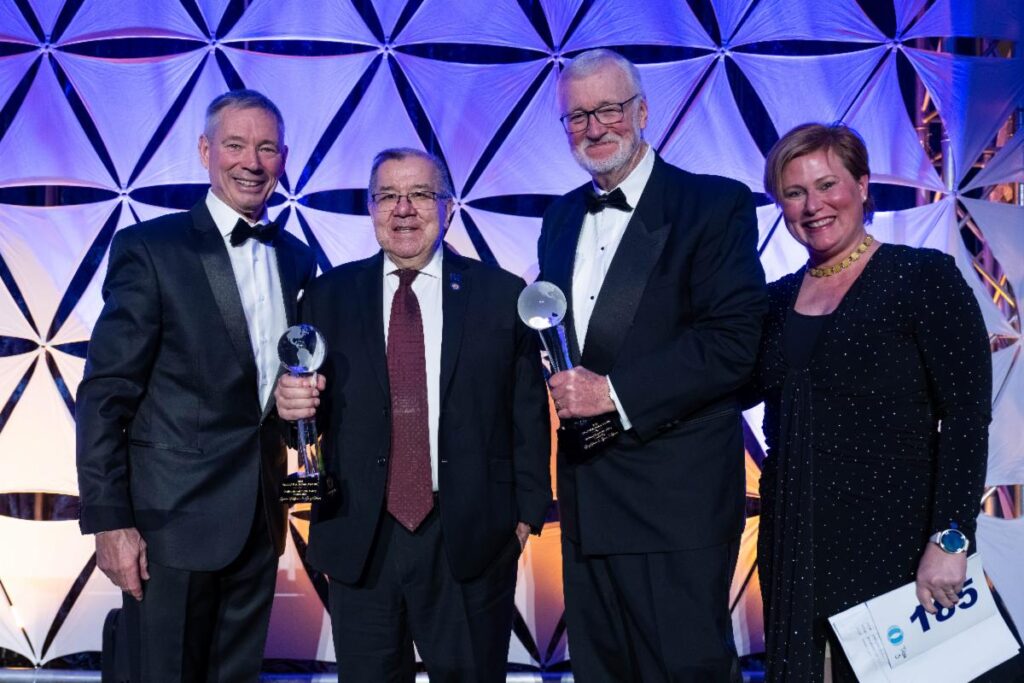
Senate President Gary Stevens
Senate President Gary Stevens, 2026 William A. Egan Award honoree: Well, first, it’s such a pleasure to share this award with my good friend Lyman Hoffman. What a wonderful evening.
Thank you so much.
When I look at the list of politicians who have received the Bill Egan Award, it makes me happy. And when I look at the list of politicians who have not received the award, it makes me even happier.
I truly wanted to share with you a few lessons I’ve learned. They’ll be brief, only three of them, but I learned so much from so many people: from Senator Gary Wilken of Fairbanks, from Senator Taylor of Wrangell, and from Senator Stevens of Alaska.
As a freshman legislator, I quickly learned how important it is to know where the money is and how I can get ahold of it for my district. Senator Wilken was the powerful chairman of Finance. He had this beautiful letterhead. If you ever saw it, it was just wonderful, all this gold. And spread across the letterhead was a pale, pale blue map of Alaska.
But there was a problem. There was no Kodiak on the map. Entirely missing. The biggest island in Alaska, the biggest island on the continental United States. Every time I got a letter from Gary, I would draw Kodiak in and send it back to his office. Time and time again, I did that.
Finally, he pulled me aside in the hallway and said, “Delusions of grandeur, Senator Stevens. It’s not that big.” But before Gary retired, he printed a new letterhead with Kodiak in place where it belonged. And he was always very generous in giving funds to my district, proving you have to stand up for what you believe in. You have to stand up for your district right from the start, reminding other legislators of your district’s needs and its importance.
Later, as a brand-new senator, a bill came up on the floor. I had just come from the House, and I made a motion on the floor, an amendment on the floor, which very seldom happens. I defended it brilliantly, but it failed 19 to 1. How embarrassing.
Senator Robin Taylor at the time was the grand old man of the Senate. I’m sure you remember him, Lisa. Wonderful man, a great speaker. He was a judge and a lawyer, and he could speak at a moment’s notice on anything. Brilliant speaker. I asked him if he had ever had anything so embarrassing happen to him. And he said, “Don’t worry about it. I’ve had amendments fail 20 to nothing.”
But clearly I was doing something wrong. You’ve got to work the crowd, right? Make sure that everyone understands what you’re doing, and get a commitment from them.
And then on the issue of Senator Ted Stevens. Over 40 years a U.S. senator, a wonderful senator, one of the most powerful politicians in Alaska. He came to Kodiak to commission a new research vessel, the Oscar Dyson. At the time he was president pro tempore of the Senate, a very important position, meaning that he was third in line to become president of the United States, and he always had a bodyguard with him when he was in that position.
So, after this great speech, he rushed out to the airport to catch the flight. Going up to this young lady at the desk of Alaska Airlines, actually someone I’ve known since she was born, Ted said, “I need to get on that plane early.” And she said, “I’m sorry, it’s not ready.” And the bodyguard said, “But this is Senator Stevens.”
She looked at Ted and said, “Wait a minute. I know Senator Stevens, and you’re not him.”
Ted never forgot that. Every time I saw him, he would torture me with it: “You got me thrown off an airplane.” Well, that wasn’t quite true, but even the powerful Ted Stevens met Alaskans who had no idea who he was.
We politicians think we’re better known than we are. We always think that. One young senator, when I was Senate President, got on the airplane after having too many drinks and asked for another drink. The flight attendant refused to serve her. And this young senator said, “Do you know who I am?”
Terrible thing to say. Something I have never said. And fortunately now, when anybody doesn’t know who I am, I’ll be carrying this with me. And I’ll say, “Commonwealth North knows who I am. What’s the matter with you?”
But before I turn this over, I want to acknowledge my wife, Rita, which I already have, as well as my staff. Katrina Matheny, who’s retiring the same time as me. For 26 years, she’s been my chief of staff. And Tim Lamkin, who’s been on my staff for at least 20 years. You couldn’t do it without the most amazing staff. And of course my daughter, Natalie. Thank you so much.
Senator Lyman Hoffman
Senator Lyman Hoffman, 2026 William A. Egan Award honoree: Thank you, Mr. President. I always call him Gary.
I’m up here because of the support of my family: Lillian, my daughter Trina, my son Douglas, my son-in-law Hugh Short, and my youngest niece is here as well.
It’s a privilege to be joined by Senator Murkowski. I’ve always looked up to you, and tried to hold your feet to the fire on energy as much as I could. And Governor-elect, thank you for being here as well.
But rural Alaska is there. Alaska wouldn’t be here without rural Alaska. We are one Alaska, and that is the message I try to make each and every day when I’m in the legislature.
We have some of the highest costs, when you’re paying $12 for a gallon of milk and $20 a gallon for heating fuel, and you have some of the lowest incomes in the state of Alaska. It’s difficult. It’s more difficult today than ever to make ends meet. But we are a family. We are strong, and we will survive and go forward.
But a message that I want to make. We had a brief conversation with Senator Murkowski about when was the first time we embarked upon a bipartisan organization. That is, not looking at the far right of the Republican Party or the far left of the Democratic Party, but the middle, bringing those Alaskans together in a bipartisan organization.
And I remember it well. The year was 2006. Senator Wielechowski was first elected, along with Donny Olson and many, many others. We met in Senator John Cowdery’s office and we worked things out, and we elected Lyda Green as our Senate President, and I had the honor then of becoming a co-chairman of Senate Finance. We did not concentrate on one side or on the other. We concentrated on the Alaskan agenda.
All too often at the national level, that does not happen, and has not happened for a long, long time. Maybe after the last election they might get the message. Alaskans, Americans, aren’t interested in partisanship. They want an agenda that will represent them, whether they’re Republican, whether they’re Democratic, whether they’re Hispanic, whether they’re people of color, whether they’re from middle America, whether they’re from the North, such as Alaska. They want to be addressed, and those issues need to be addressed for their concerns.
But it’s been 40 years. Long enough. If I had to do it all over again, I’d do it again. It’s surprising to me that I’m honored along with my other two colleagues.
It wasn’t difficult to step aside, because I know Alaska is still in a strong, strong place. We’ve had a change of the guard, and I think that maybe the agenda will become focused on the national scene, as Alaska has, on bipartisanship.
In the fall of 1968, I entered college as a freshman, and I went to my advisor and sat down with him. He said, “Where are you from?” I said, “I’m from rural Alaska.” And he looked at me and said, “Well, I have bad news for you. You have less than a 1% chance to graduate from college.”
I got up and walked out.
And what this says to me: don’t listen to what other people say about you. Listen to your heart, and you can go forward. If you listen to your heart, you can accomplish amazing things.
But with that, you need to understand it’s the people. The people that you represent are the ones that are looking to you to make the right decisions for them.
With that, I really appreciate Commonwealth North’s acknowledgment. I’m leaving the Senate in good hands. Senator-elect [name not captured] is sure to succeed me, and sure to follow me on the Senate Finance Committee and continue to represent rural areas of the state.
Again, I acknowledge the grand support of my family, without whom none of this could have ever happened. They’ve given up so much for me to follow my dreams. Thank you very much.
Senator Lisa Murkowski
Moira Smith: What an amazing two men. Thank you so much for being public servants for all of that time. And thank you, Carl Marrs, for accepting our award and for all of your leadership. We are so honored.
I want to invite Senator Murkowski to the stage. I understand she’s going to give us some of her wisdom, and Lord knows we need it. Come on up.
U.S. Senator Lisa Murkowski: OK, this is the dilemma. The promise is I’m going to offer wisdom. My promise and my commitment to Ross was that this was going to be mercifully brief. So I don’t want you to think that I do not have words of wisdom to impart.
Because Lyman, you hit us all there. You reminded us of where our purpose and our passion is. It is working together to build things together for our families, our state, and our country.
And those who have given that through decades and decades of service, whether public service like my dear friend Gary, like Lyman, or what Carl has done for his people: these are the things that motivate us, that inspire us, and that should encourage us every day to do more, to do better, for all the right reasons.
I cannot imagine a better way to heal after a really raucous, ugly, nasty, icky election than to be gathered with friends focused on the good of the whole.
Carl, when you were talking about the settlement trusts, I was like, “Oh, man.” He could go on with the history here. But this guy saw what needed to happen. And he didn’t just come to his delegation and say, “I need this.” He came with an action plan. He knew exactly what we needed to do. He knew exactly where we needed to go. He knew exactly how quiet we needed to keep things. And his brilliance led to the success that you heard about tonight.
I came into the legislature with Gary Stevens, and together we worked on the genius of a fiscal plan. The elements of that plan, Gary, are exactly the same as we discussed over that horrible, cold, stale pizza from Bullwinkle’s at Bill Hudson’s house so many times. But thank you for your leadership for so many years.
And to Lyman. Honest to God, guy, you have intimidated me for my entire political life. Seriously. When I was in the House and he was in the Senate, he never smiled. Never smiled. Never smiled. Kind of mumbles. Like, “What did I do wrong?”
And then I go on and I get this big job back in Washington, D.C. And I come back and I speak to the legislature, and there was one person, one person in the entire gallery, who could just make me nervous when he raised his hand. Because he always asked the question directly, and it was always the same: “What have you done to lower the prices of energy for the people in rural Alaska?”
And Lyman, I’m working on it every day, my friend, and we’re going to make it happen.
Ross, thank you. Thank you for your inspirational speech. I have to tell you, you inspired me. Your words encouraged me. And so, as we acknowledge the greatness of three individuals that I am blessed to call my friends, my thanks to Commonwealth North. And let’s all go out and build damn fine Alaskans.
Why Commonwealth North
Moira Smith: So, the task in front of me is to say why I love Commonwealth North. But y’all, have you been listening? Have you been watching? Have you been paying attention to who’s in this room? I mean, look at this. Let’s give ourselves a hand. I love it.
I was raised a Democrat in Juneau. And when I say a Democrat, I mean at 7 years old, I was bagging popcorn for my dad when he ran for state Senate. And then we threw popcorn to the kids in Seward on the Fourth of July and wondered why he didn’t win.
Anyway, as a 9-year-old, I worked with Veronica Slajer on Bill Sheffield’s campaign. I was doing data entry on Seward Street in Juneau, and there was candy, and I was very happy. And when I say I was raised Democrat, I mean that I have eaten more cold potato salad under the Sandy Beach shelters in Juneau than anyone else in the state of Alaska.
But when I moved to Anchorage after law school, a no-nonsense friend, a Democratic operative, told me unequivocally, “This is war.” And not in a Braveheart, Mel Gibson style. Very matter-of-fact, unequivocal. There’s the right, there’s the wrong. There’s the good, there’s the bad. There’s the good and the evil. And that did not sit right with me.
And we saw that, right? This Senate race, it was Armageddon. Money came in, and our mailboxes will never be the same.
Soon thereafter, I left the Democratic Party and I became an independent, like most Alaskans. And Commonwealth North is the antidote to Armageddon.
We don’t assume the other side is wrong. We don’t even assume there’s two sides. We are curious about policy. And the question that drives us, all of us, is: what is good for Alaska?
And we don’t agree. Of course we don’t. We’re not anti-debate. We are pro-conversation. We’re also not naive. There are powers at play that are bigger than a nice civic discourse in downtown Anchorage.
But back in the day, when Fish Pawlowski left Senator Murkowski’s office, I asked him, I said, “Fish, is it ever going to get better?” This was 2022, I believe. And he said, and I have his permission to repeat all of the things I’m going to say about Fish tonight, he said, “Absolutely not. There’s too much money invested in making sure the other side loses.”
I wrote to him this morning and I said, “Fish, I’m going to talk about you in my speech.” And he said, “OK, you can quote me from 2022, but you have to say that today I have hope. Because money lost to ideas and values, and these conversations feel more important, more powerful than ever.”
So if you are here, you share my belief, our belief, in this tremendous state. You share our commitment to conversations with real people about real things, solving real freaking problems. And you care about our future and building better Alaskans.
So, thank you for being here. Thank you for caring about one another. Thank you for your commitment to our state. Thank you for your commitment to Commonwealth North.
Photos from the Evening
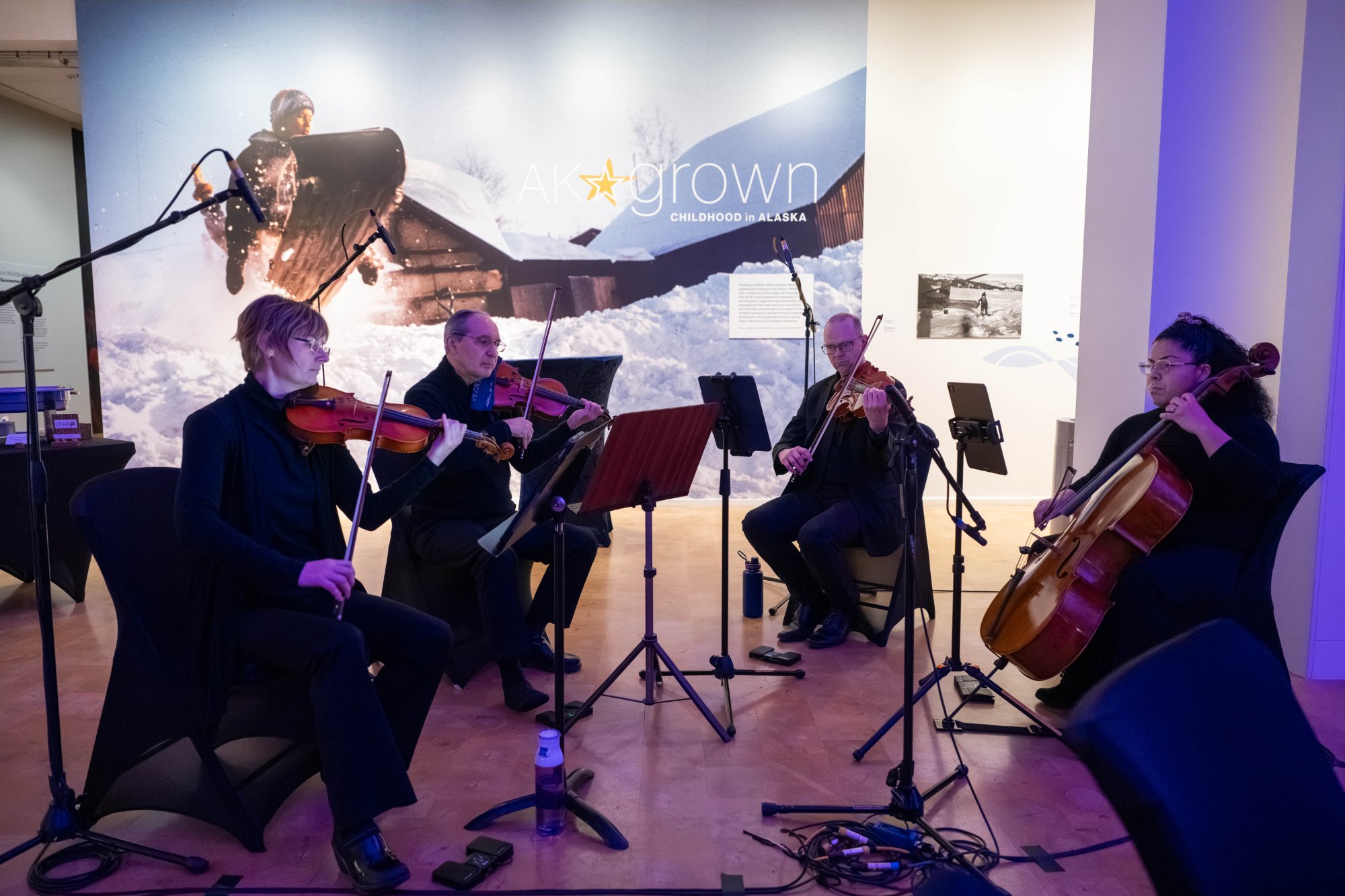
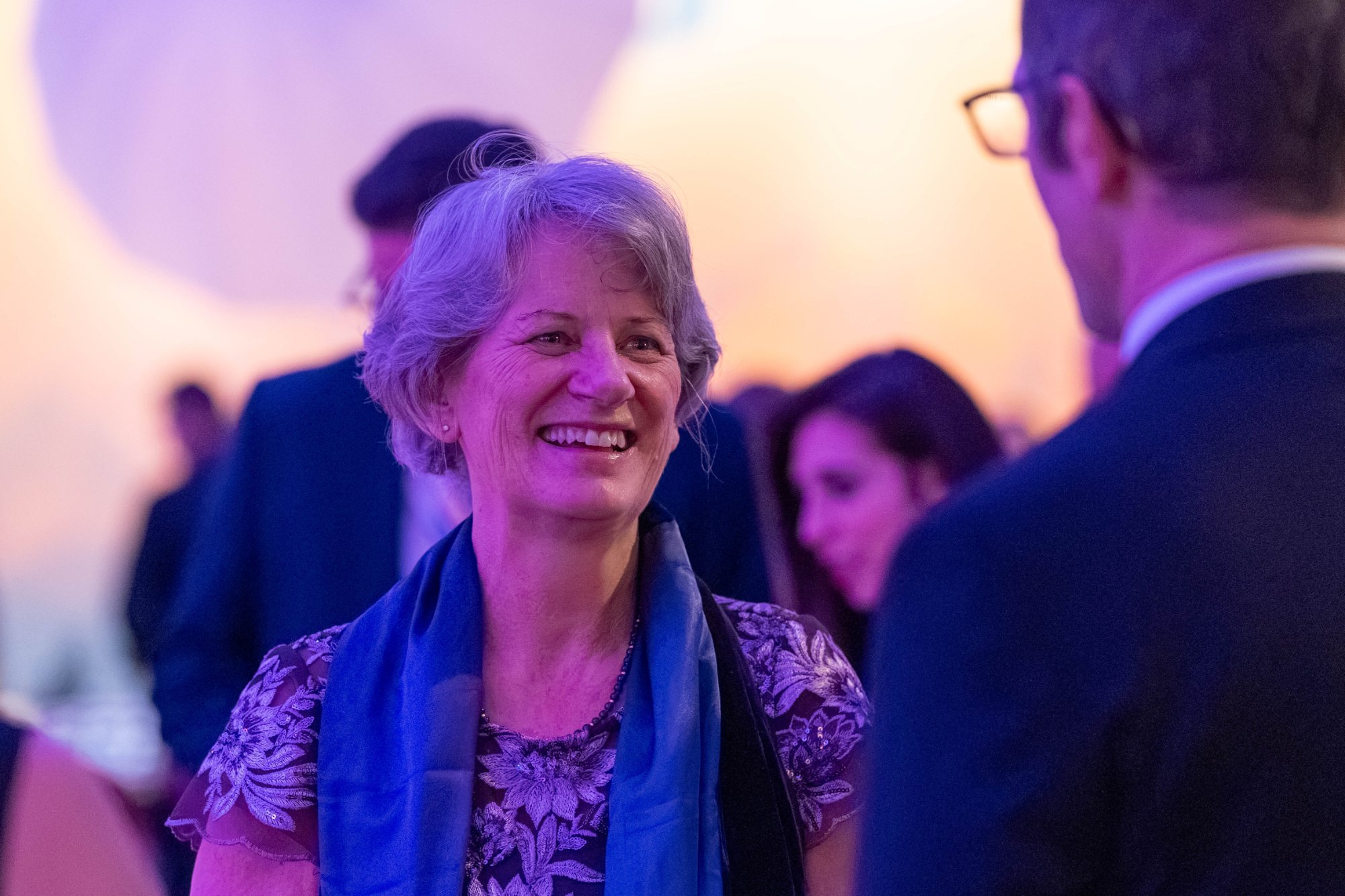
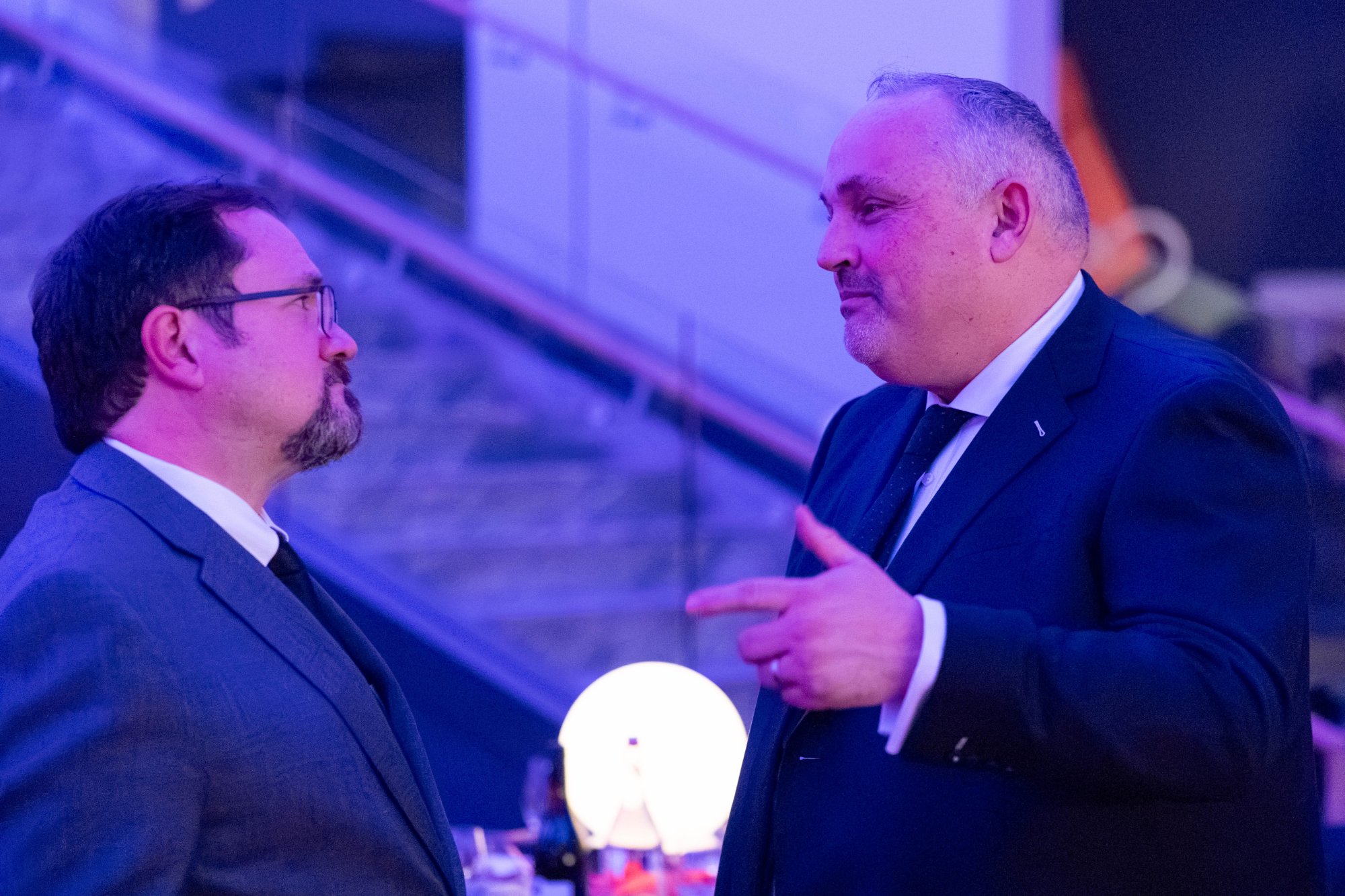
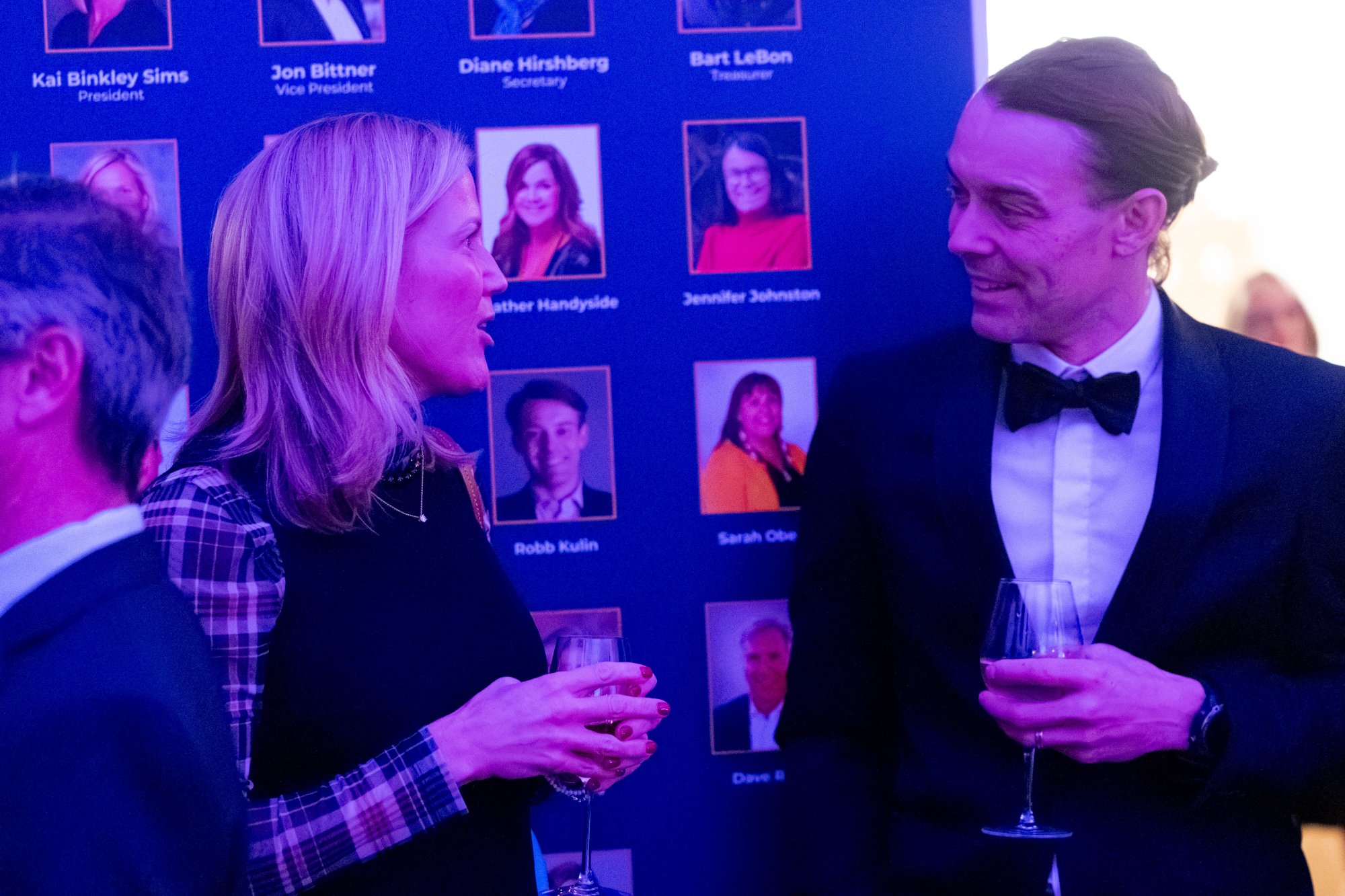
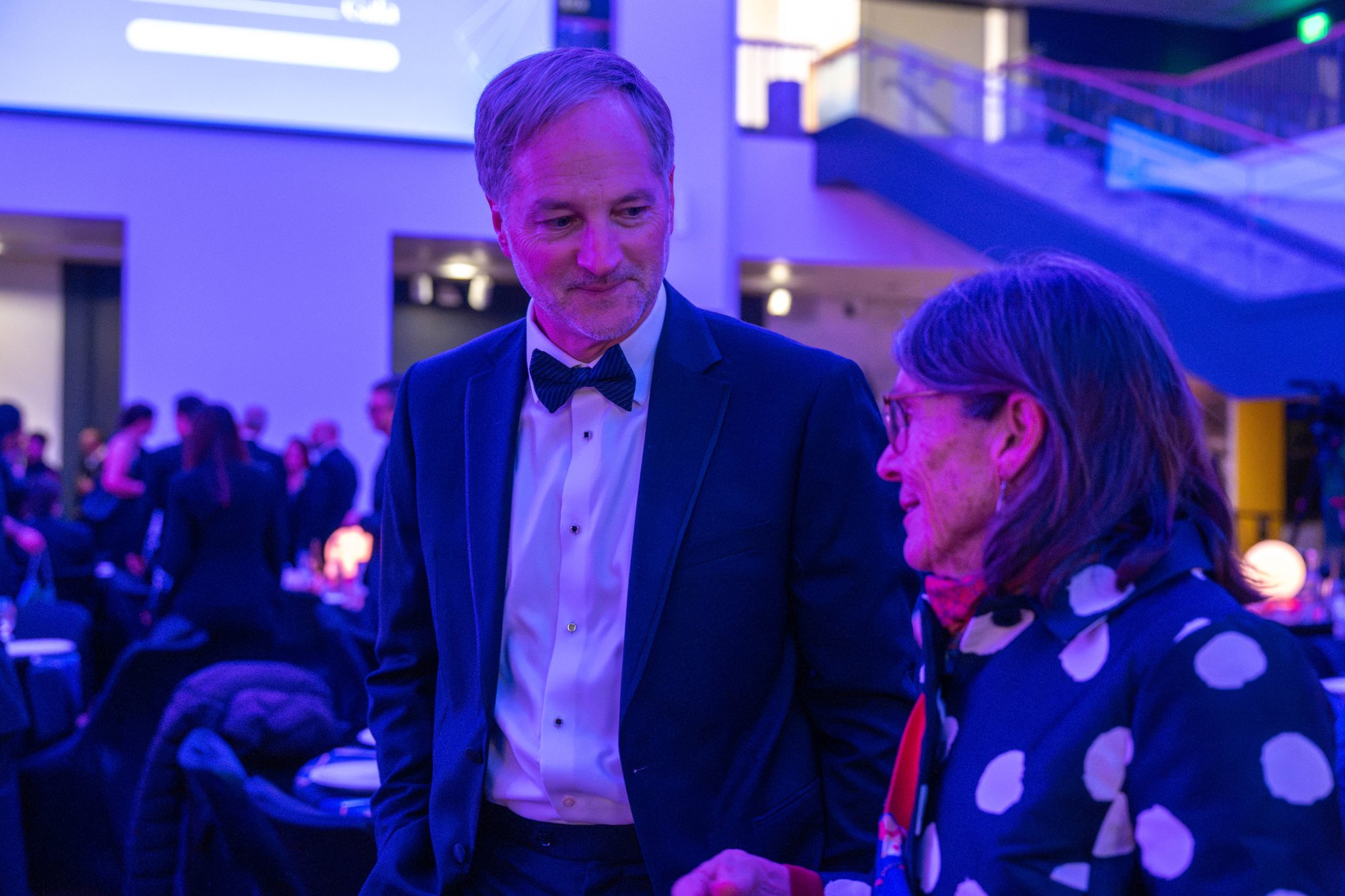

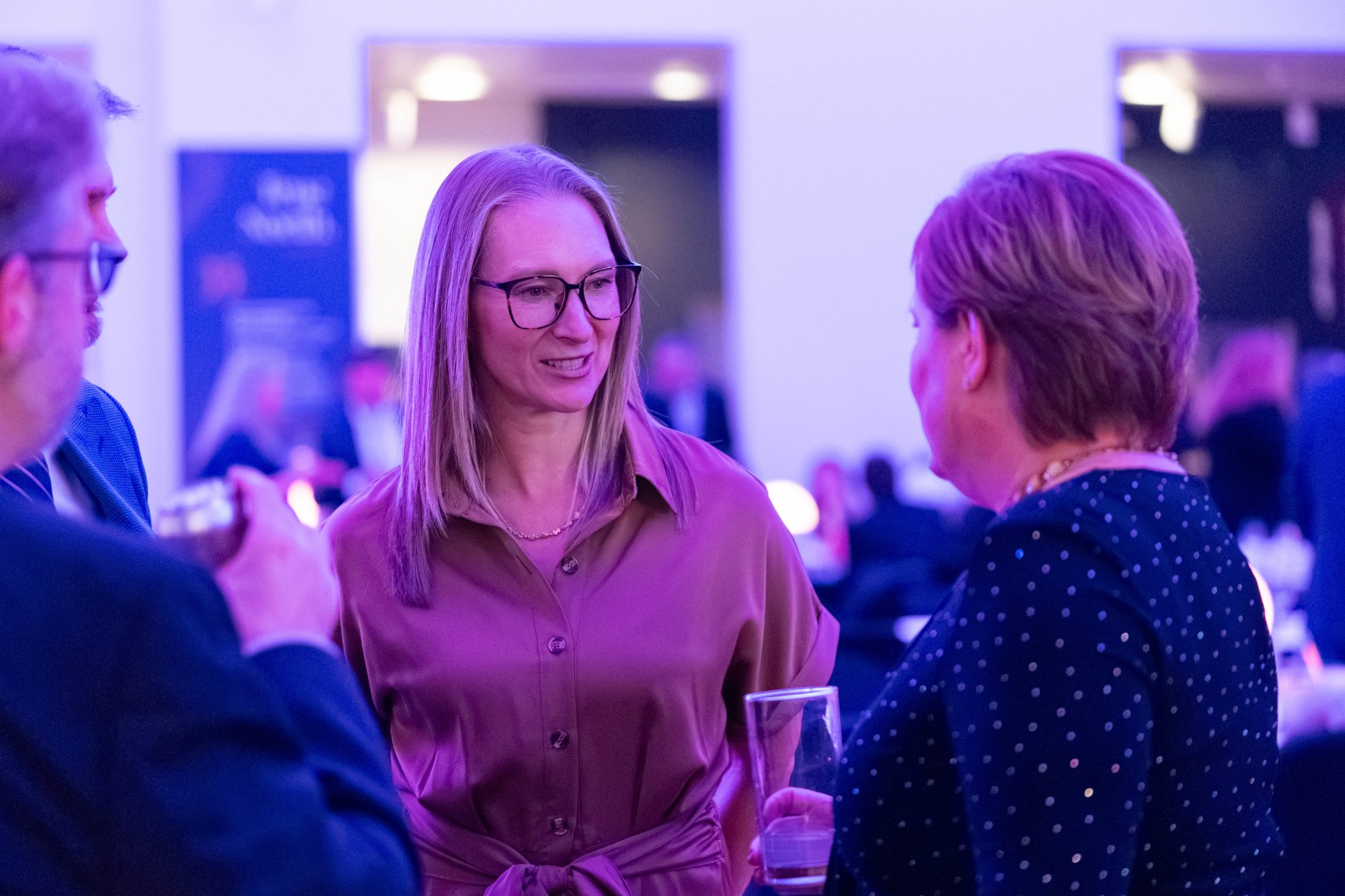
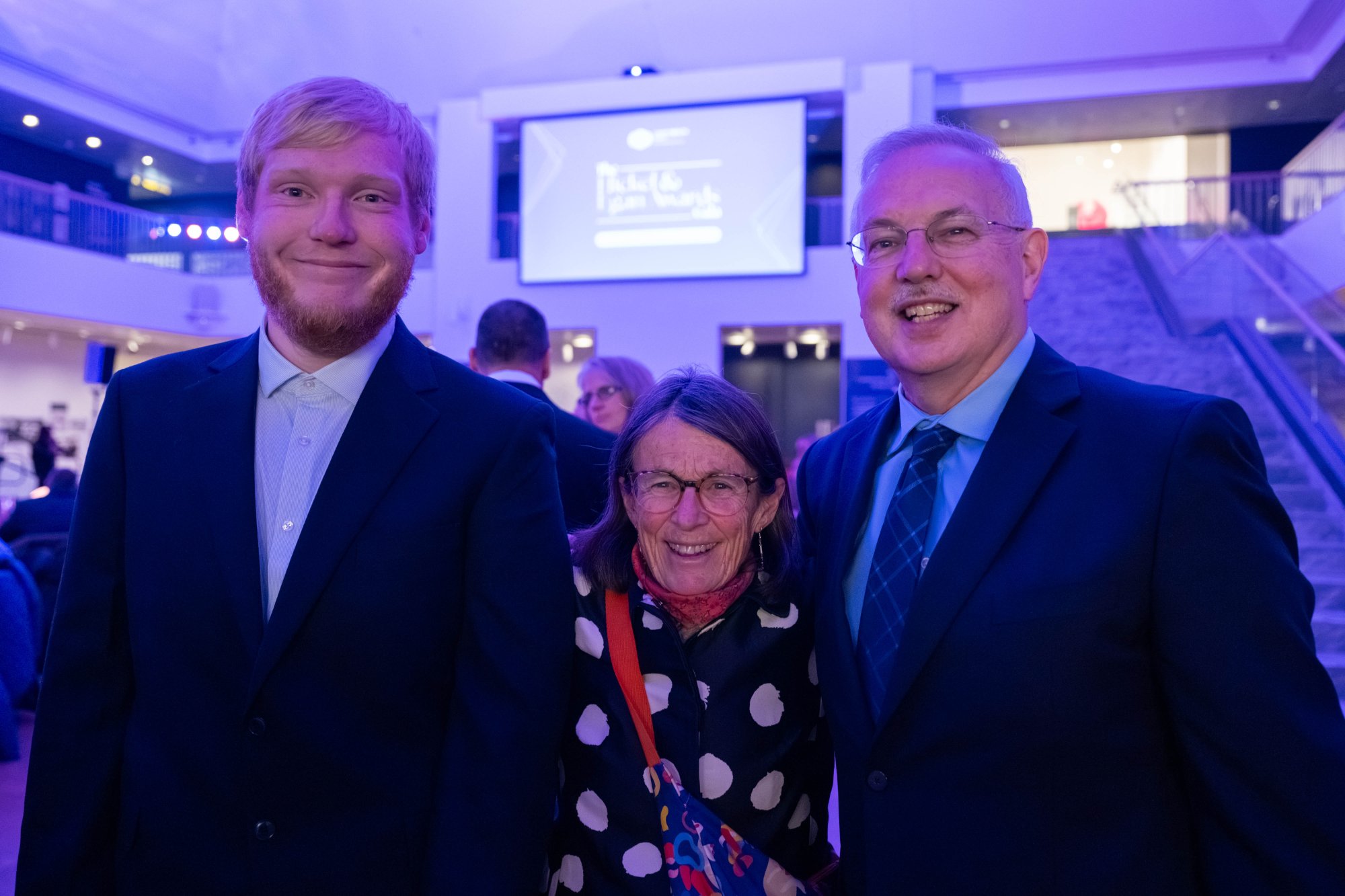
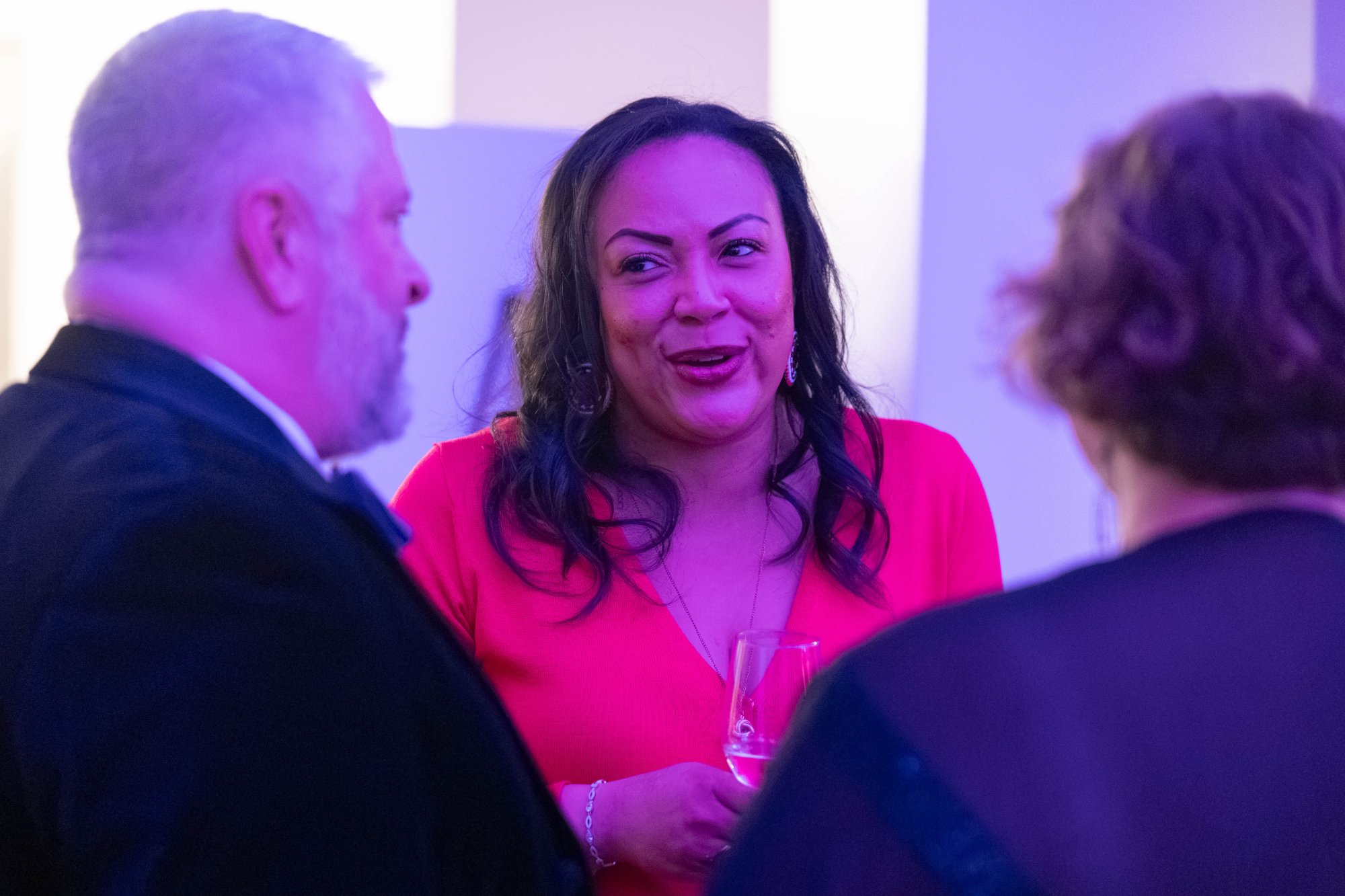
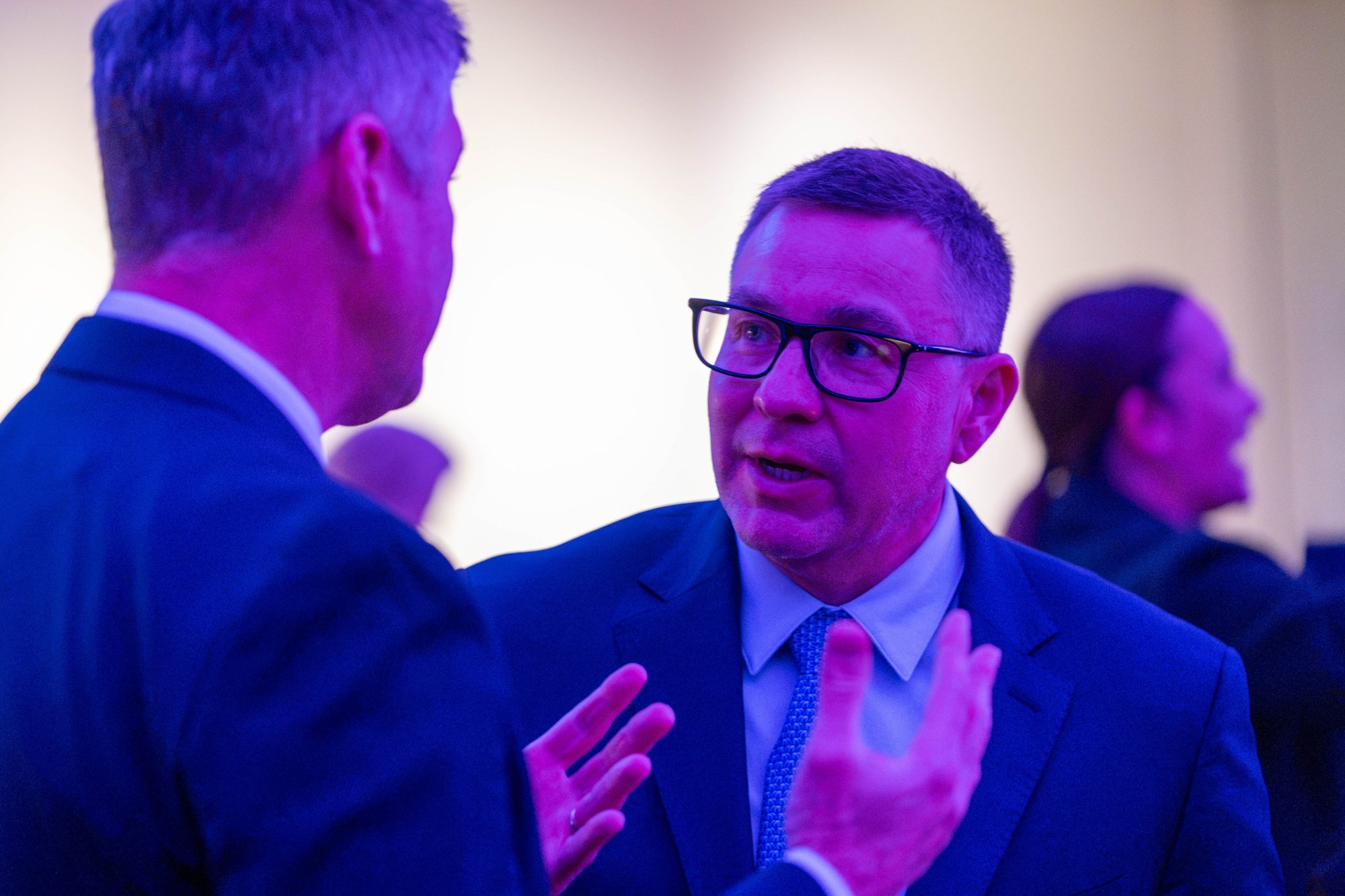
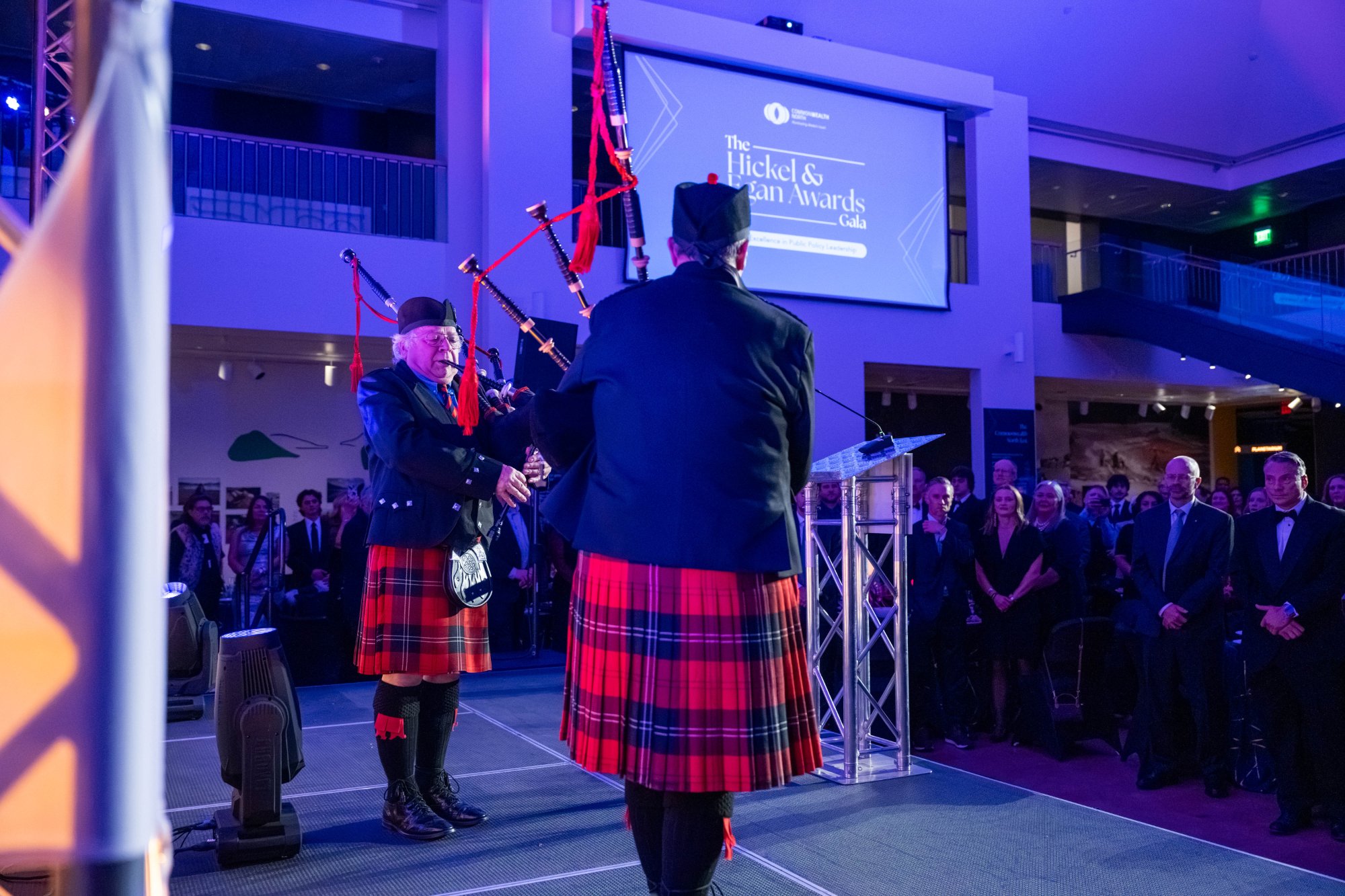
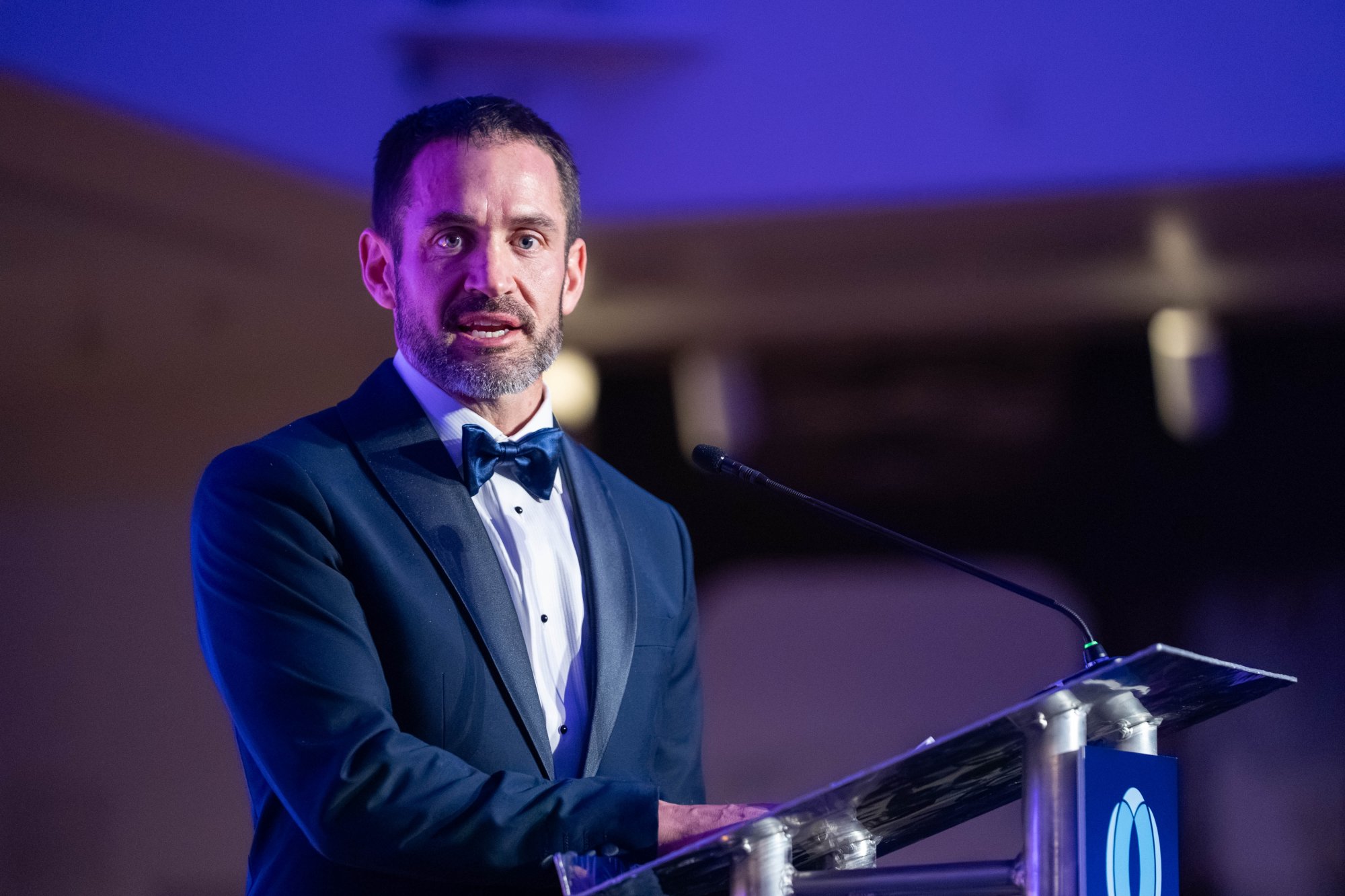
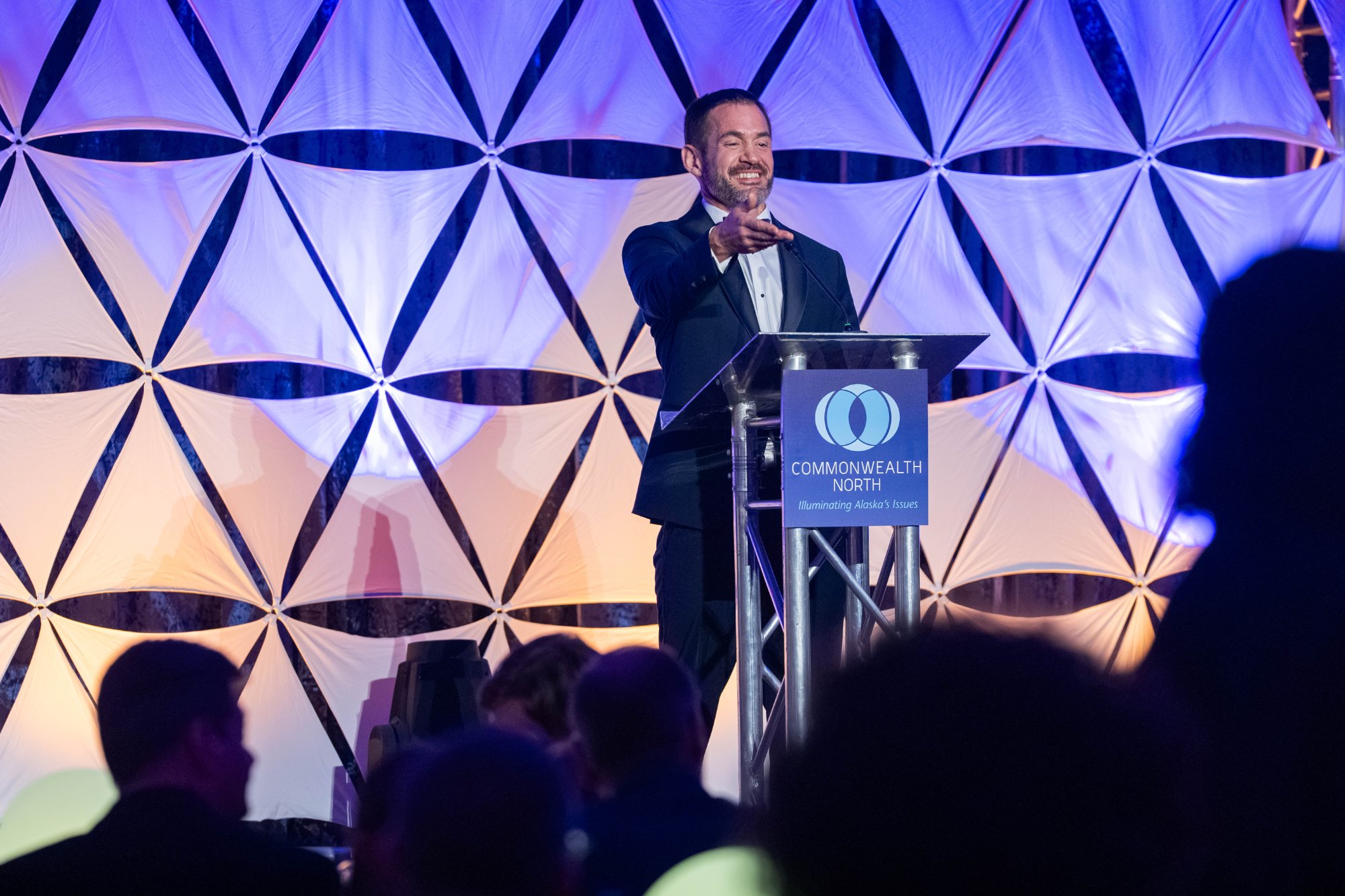
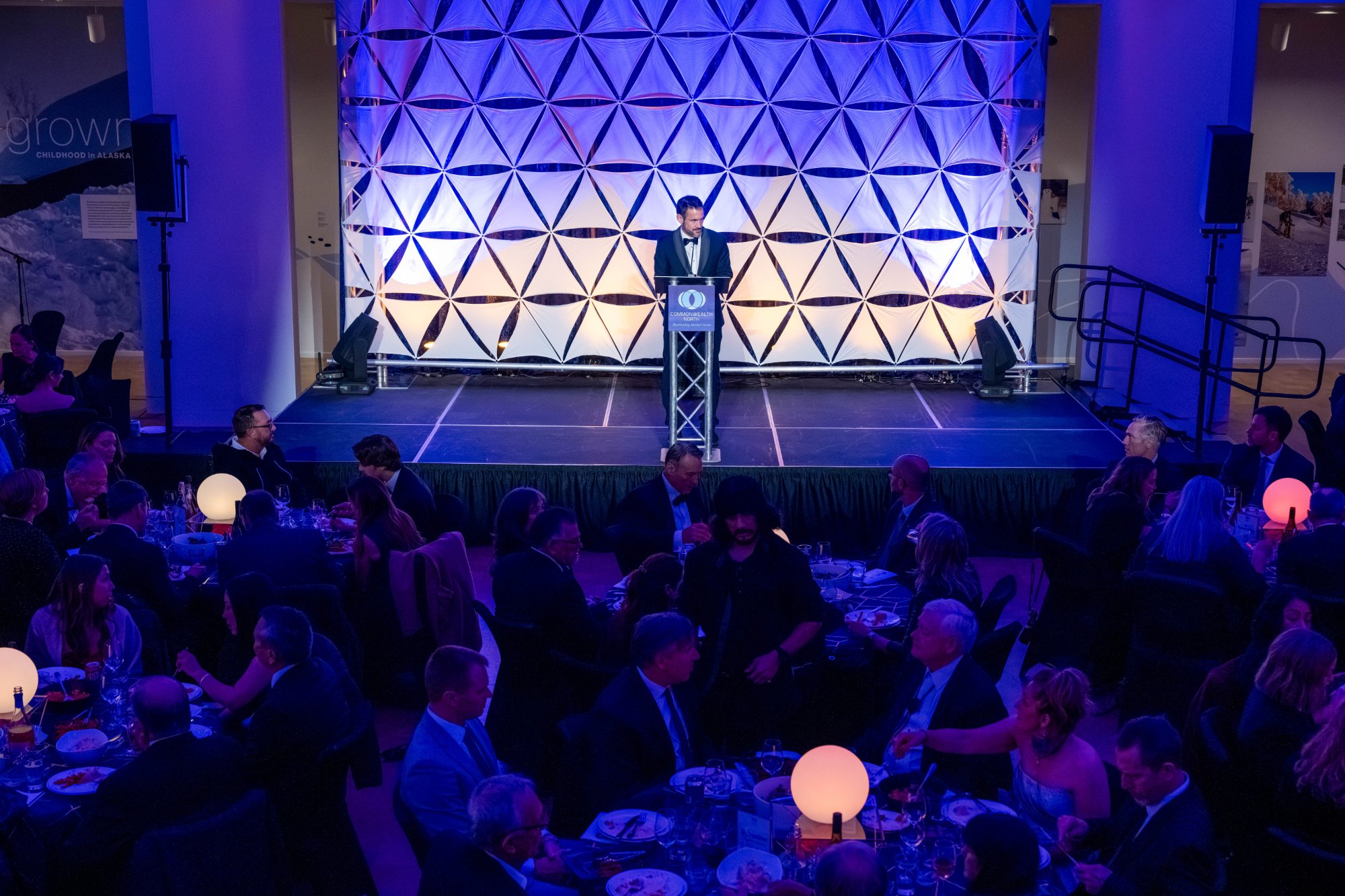
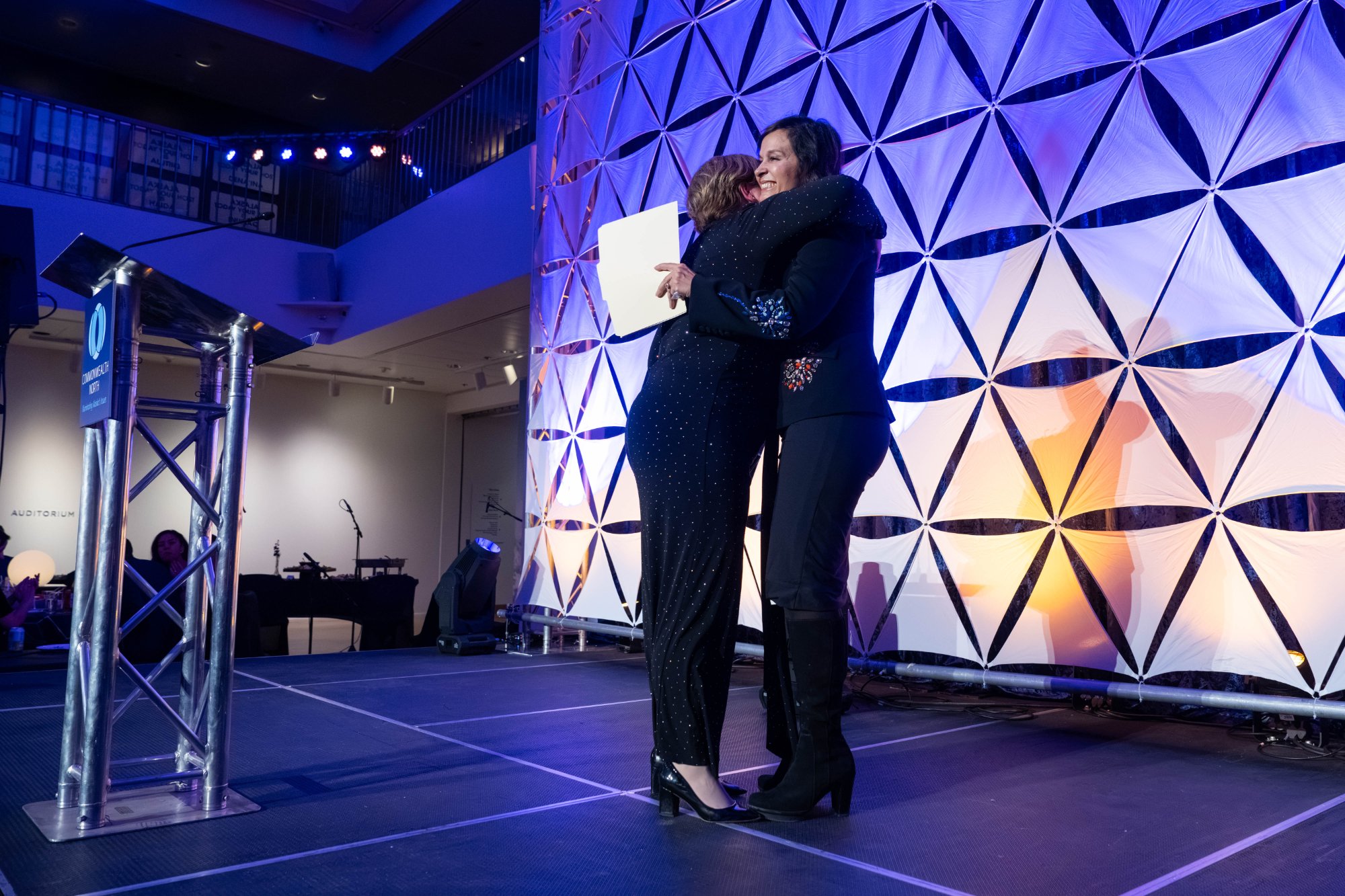
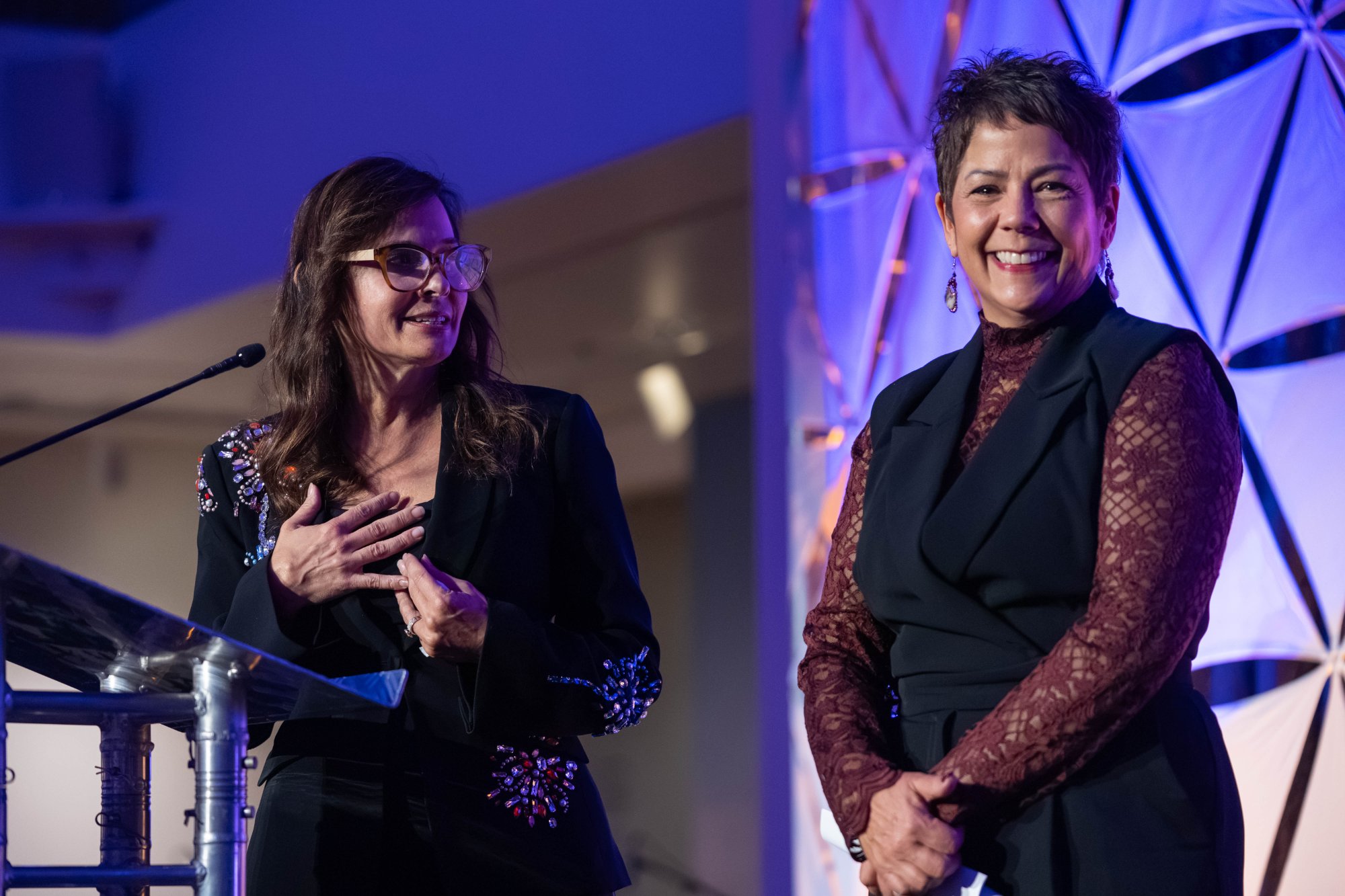
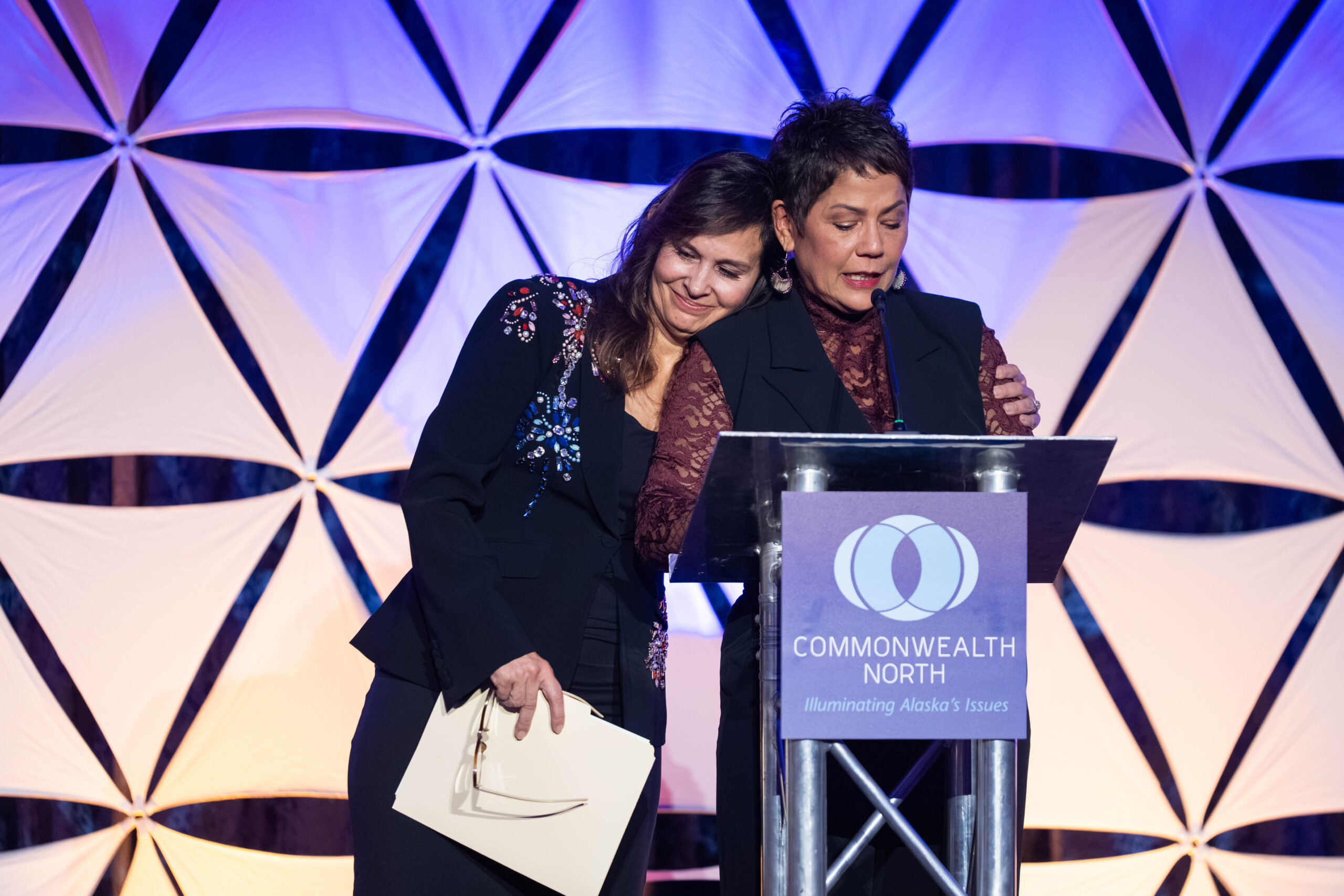
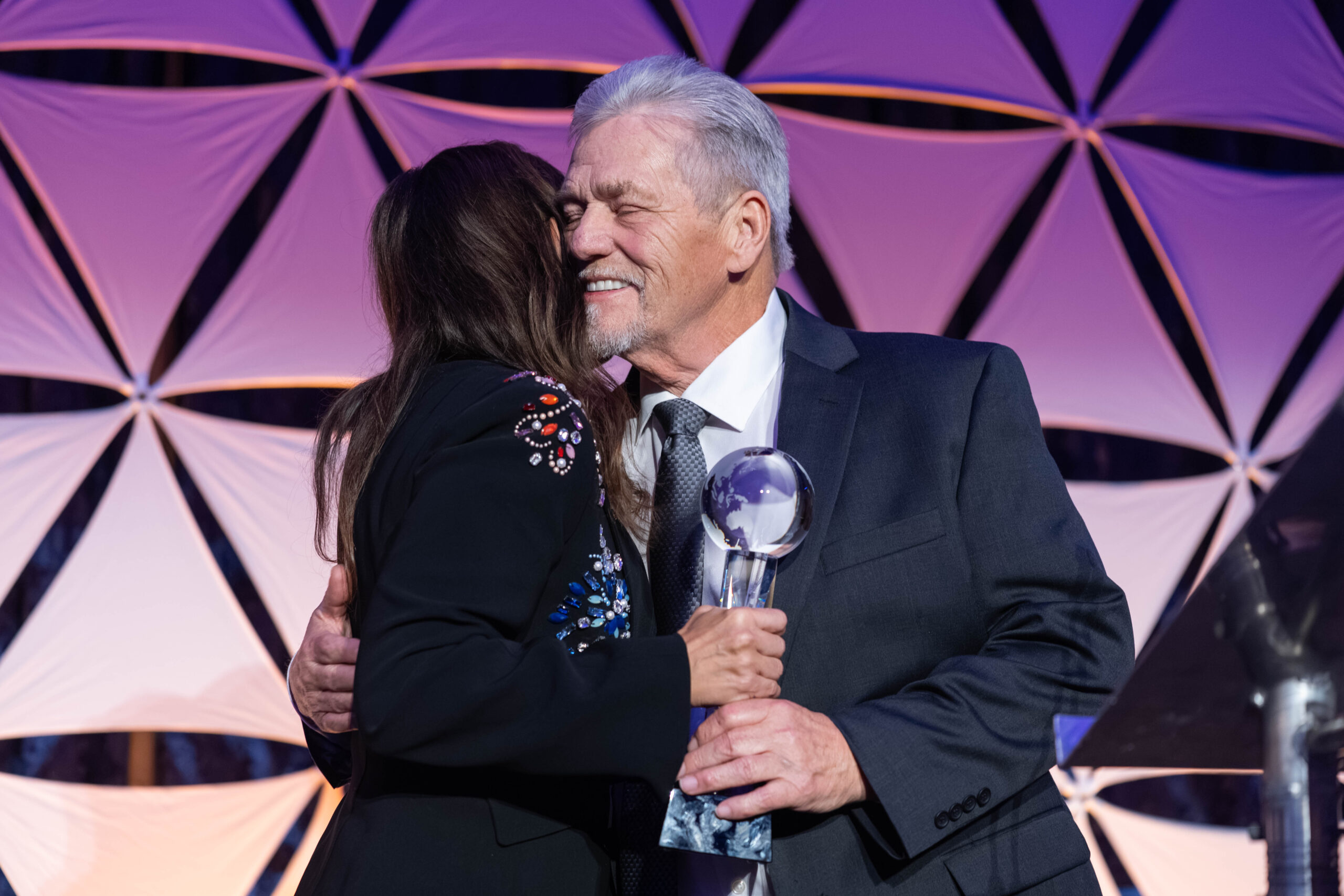

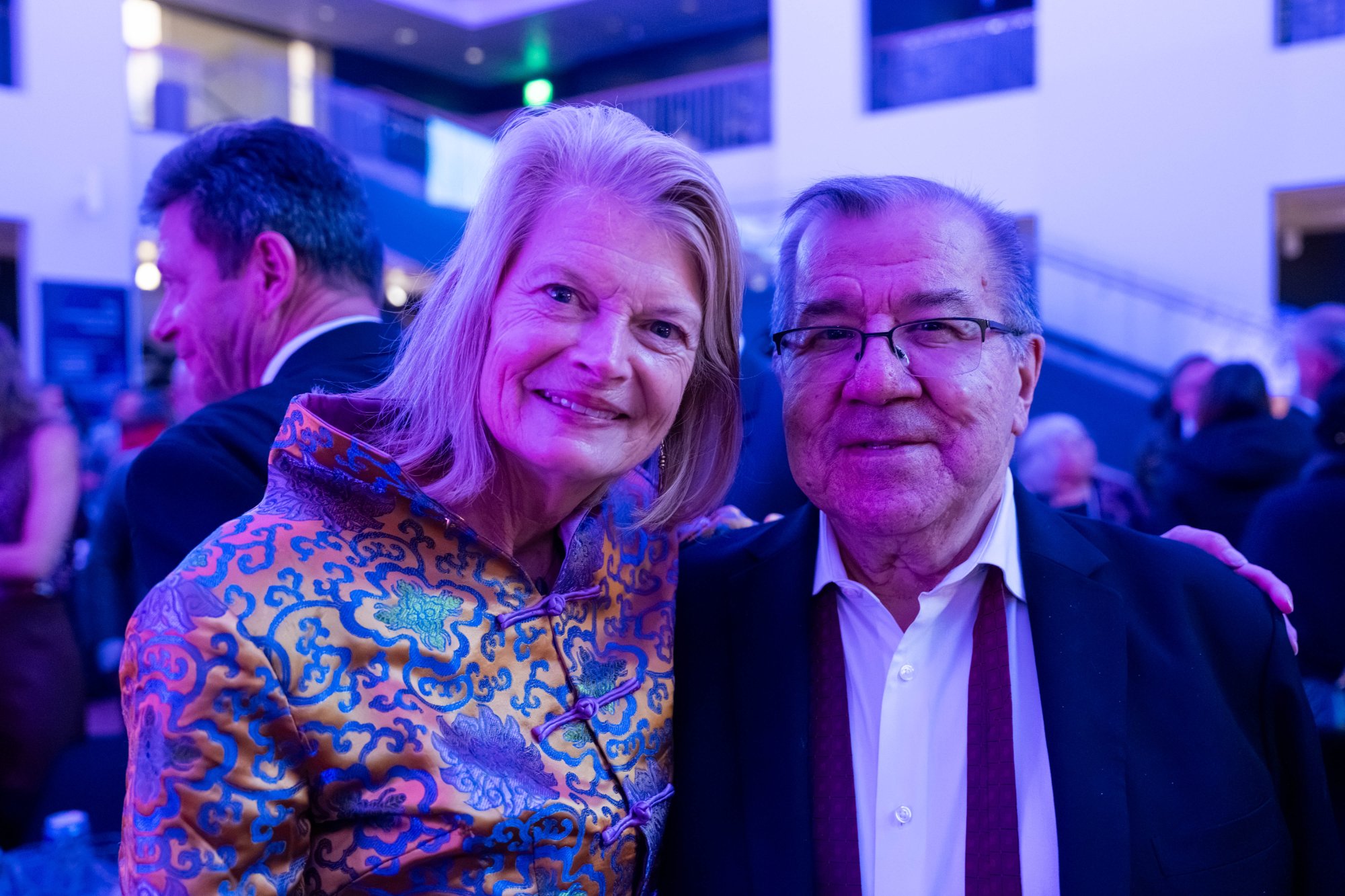
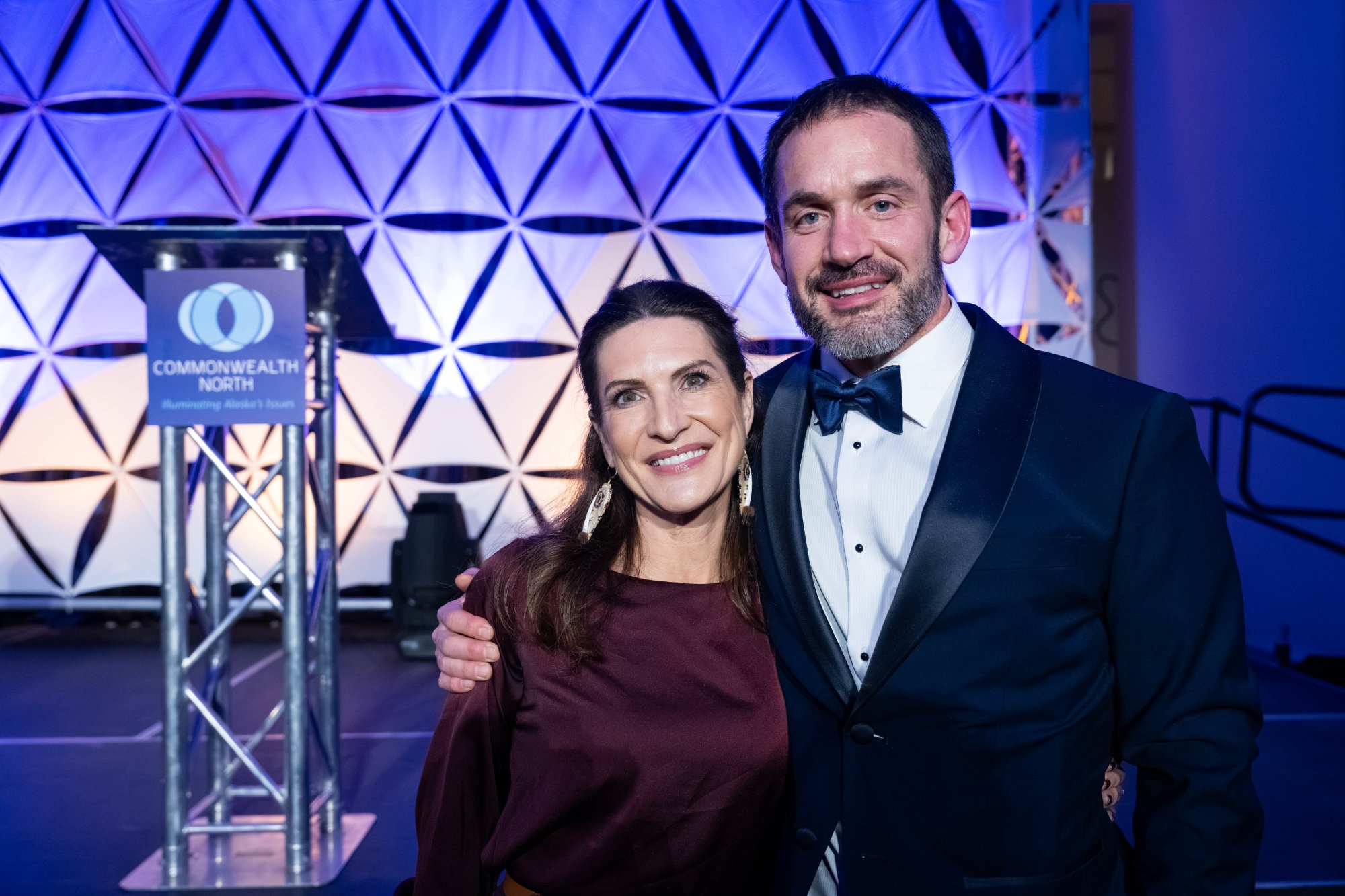
Photos by Loren Holmes.